The first time I heard someone ask “Are there Indigenous-owned tours?” with a bit of a tone, I was driving down the Stuart Highway with a dust cloud trailing behind, my billy warming up on the dashboard. It’s a question that made me think – and one that shows just how much travel plans are changing. People aren’t just after a comfy bus ride and a quick photo stop anymore. They’re after something real, some proper experiences that give them a taste of the real story behind Aboriginal culture – a culture that goes back many tens of thousands of years.
My name’s Paul Beames, I’m the fella who started the Get Lost Travel group, and I’ve been working alongside Traditional Owners, rangers and local Aboriginal guides for decades now – right across the Top End and further afield. And yes – there are Indigenous-owned tours out there – and they are changing the way we travel in Australia. Now, they’re not about sticking to the same old bus routes like everyone else – no, they move at the pace of the land – dictated by the seasons, the stories and the moods of the communities involved rather than some bloke pushing a stopwatch.
How Aboriginal Tours Stand Out
There’s a big difference between a tour that just mentions culture and one that’s genuinely Indigenous-owned and run. The people with the stories to tell are the people in charge – that makes a huge difference in terms of respect, control and – importantly – reinvestment back into the communities.
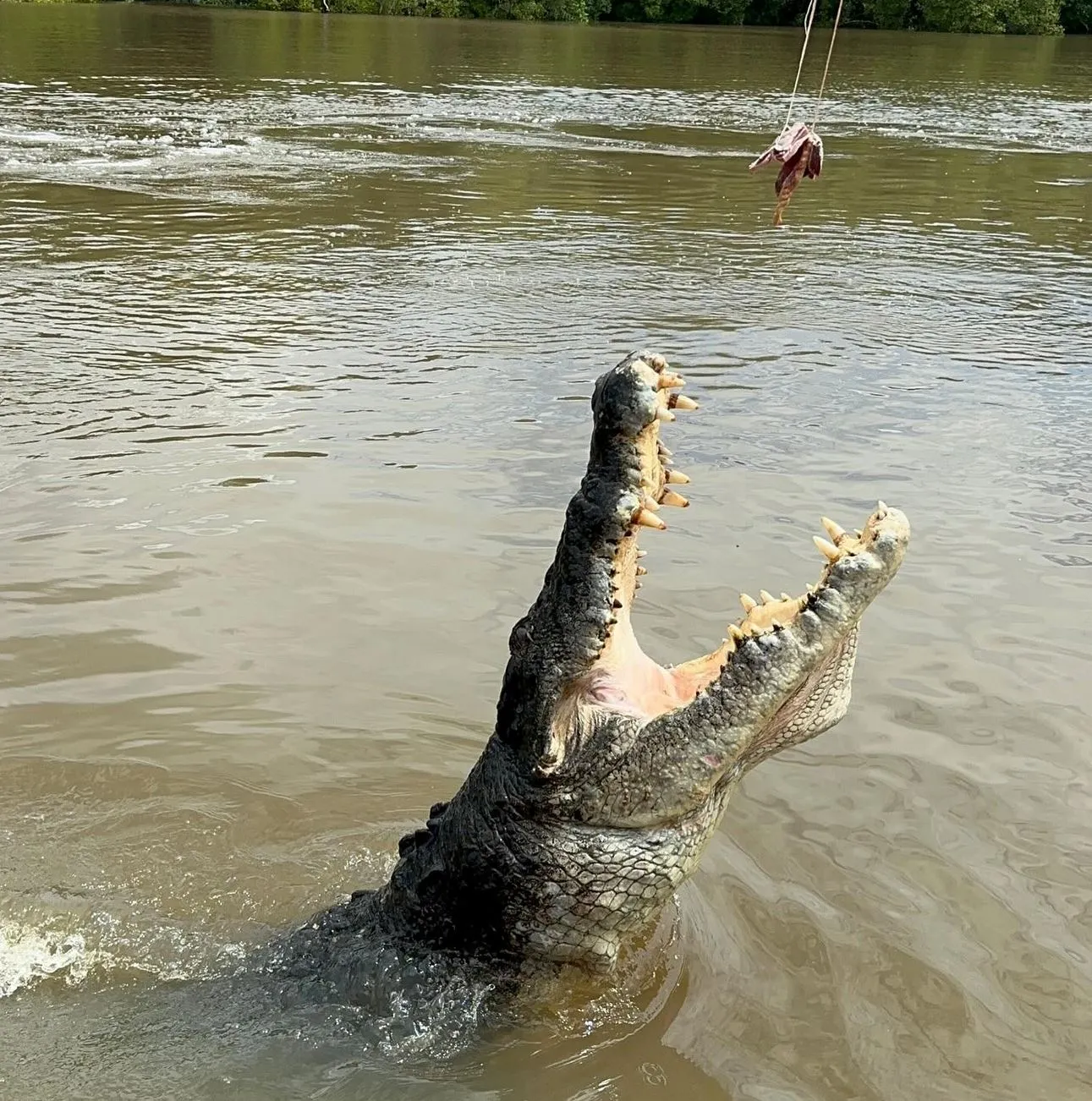
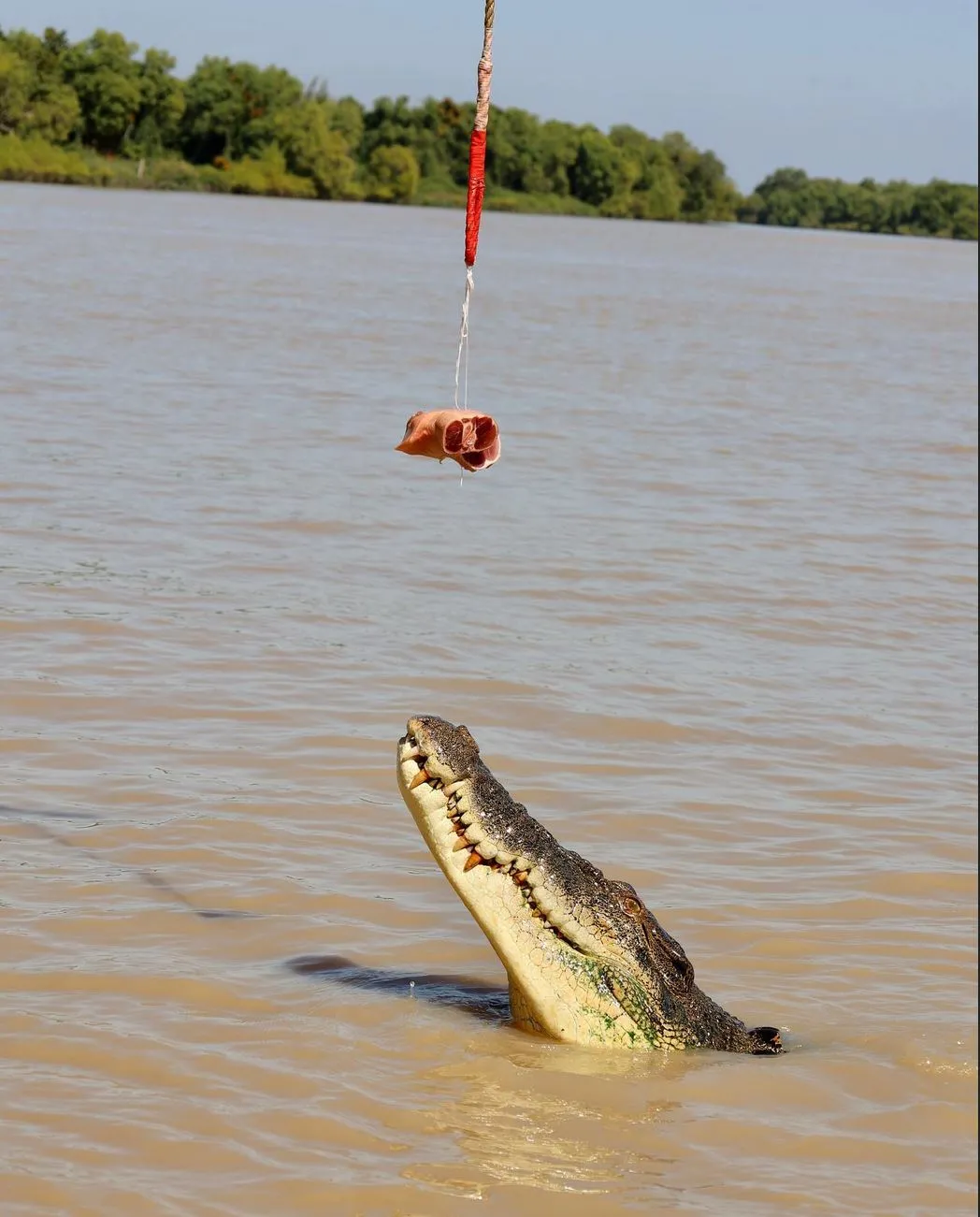
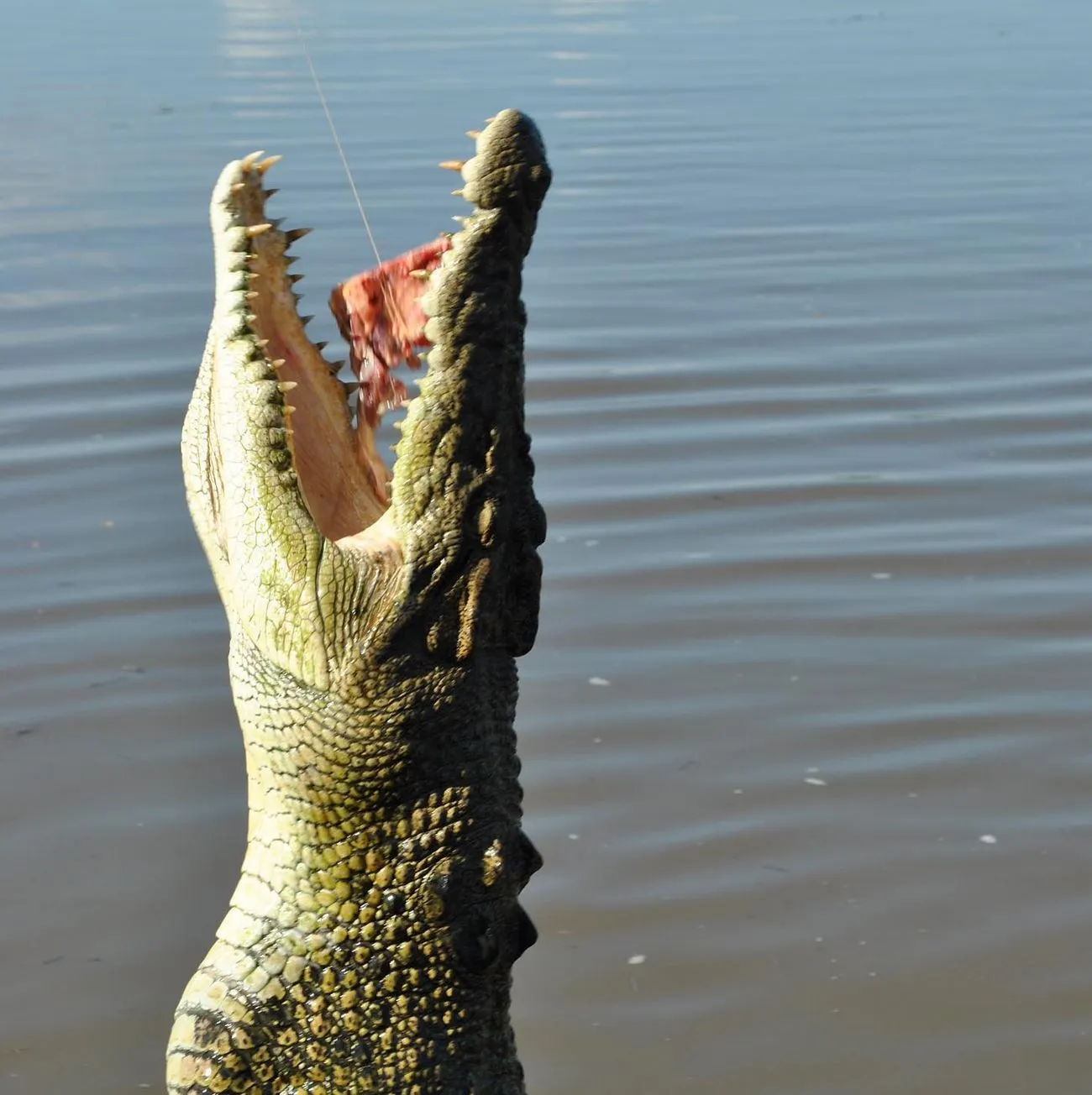
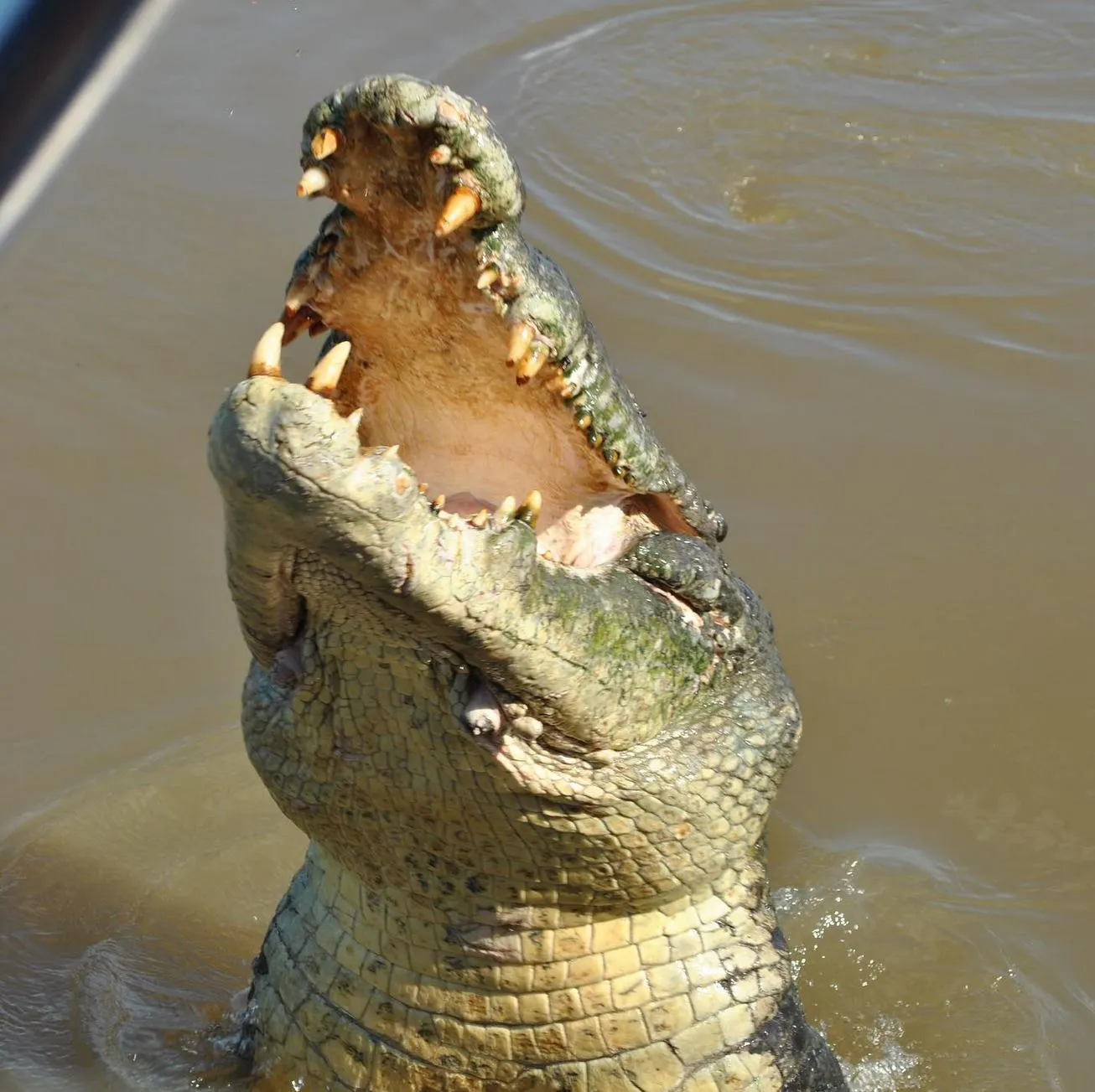
Take the Jumping Crocodile Cruise along the Adelaide River – a real Aussie icon that lets you get face to face with Jumping Crocs in style – but what makes it really special is the way the guides take you deep into the Aboriginal stories of the river, the land and the Dreaming connections. It just goes to show that even the most popular attractions can be done a lot better than just reading from a brochure.
Here’s How Indigenous Ownership Really Works:
| Region | Approx. No. of Indigenous-Owned Operators | Example Experiences | Typical Group Size |
|---|---|---|---|
| Northern Territory | 45+ | Lirrwi Yunupingu’s Yolŋu Homelands, Pudakul Cultural Tours, Jumping Crocodile Cruise | 4 – 20 travellers |
| Western Australia | 30+ | Wula Gur Gura Aboriginal Tours Shark Bay, Ngurrangga Tours Pilbara | 6 – 15 travellers |
| Queensland | 25+ | Mossman Gorge Dreamtime Walks, Mandingalbay Ancient Indigenous Tours | 2 – 12 travellers |
| South Australia | 10+ | Wilpena Pound Resort Adnyamathanha Guides | 4 – 20 travellers |
| Total (2025) | 110+ | Across all states and territories | Varies |
Unlike mainstream multi-stop routes, where they just load you onto a coach and off to the next viewpoint like cattle in a herd, Indigenous-led experiences get you into the swing of things with Country. You’re not just ticking boxes and crisscrossing the continent – you’re part of the story and on an adventure.
Routes, Seasons and Timetables – The Reality Check
If you’re dead set on a pre-defined route and a guaranteed schedule, you might need to adjust your expectations. Indigenous tours more or less just go with the natural beat of Country.
For instance, in Arnhem Land or Kakadu, tours might not go ahead as planned because the roads are closed due to the wet season or because of a ceremony that gets in the way. Big operators with their fancy route planners and travel prediction software might be able to stick to a timetable, but Indigenous-run tours just operate on being flexible and showing respect.
- Kakadu Cultural Tours (NT) – only happen during the dry season because of access and water levels.
- Ngurrangga Tours (WA) – have flexible routes that change depending on what ceremonies and what the weather is doing.
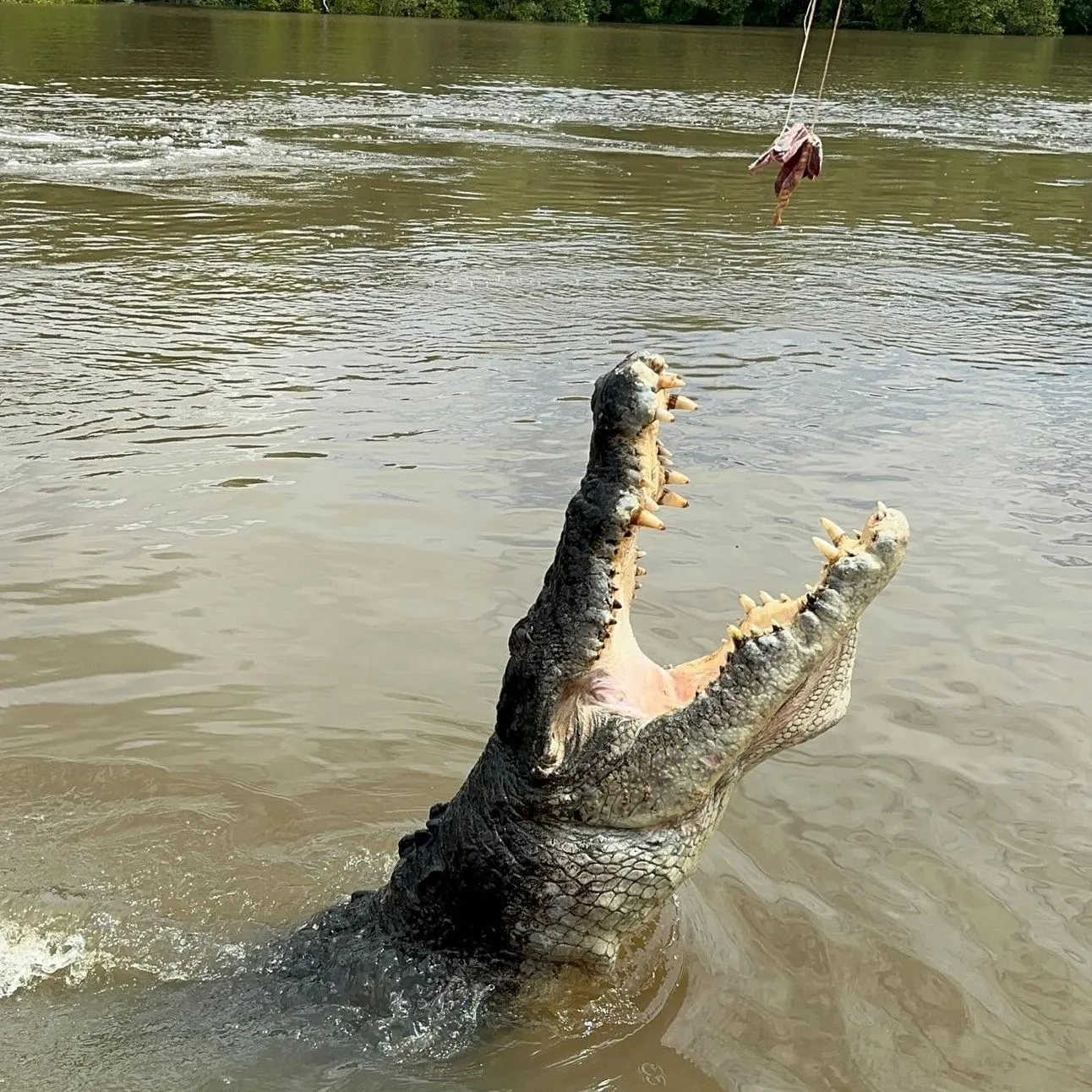
- Jumping Crocodile Cruise – it runs all year, but you’ll still have to check tide times and croc activity to make sure you’re not just sitting around waiting for nothing to happen.
It’s a bit like marathon running – the results come from listening to your body and adapting to the conditions. You don’t get good results from running by the numbers like you do at the gym. Respect the rhythms of Country and you’ll fare better.
How First Nations Travel Moves You
Mainstream travel can feel like running on a treadmill, plodding along and getting nowhere fast. But Indigenous-owned tours are all about making connections and being genuine.
Every experience, from walking around and finding bush tucker to doing an art workshop, becomes a real conversation between you and the guide. You can learn all about how Aboriginal people read the sky and track the tides and find food in places that just look like dirt to the untrained eye.
And it’s sort of like a training program that makes you stop and think. It pushes you to slow down, look around, and really listen. You won’t just be fed a bunch of facts, you’ll be hearing stories – the real stories, the ones that hold the law, the language and the lineage.
One time on the Jumping Crocodile Cruise, I sat in on a tour and I heard the guide explain how saltwater crocs are a big part of the Dreamtime – symbols of strength, warning and respect. Sure, the crocs were pretty impressive, but what really made it memorable was the context.
Planning Ahead – Permits, Permissions and Not Being a Bore
Before you go off and head out on your cultural journey, it’s a bit like planning out a whole training routine for the big event. You’re going to want to make sure you’ve got all the right permissions, knowledge and flexibility, or you might just end up getting it all wrong.
Checklist for a Cultural Journey:
- Permits: sort out your NT Parks Pass or get the Central Land Council or WA Park Pass sorted.
- Protocols: always ask before taking photos of people or sacred sites.
- Leave No Trace: Show some respect for the land by sticking to the bush tracks, getting rid of your rubbish and not touching the art.
- Community Access: Just make sure you check out the local rules and ceremonies before heading off.
- Seasonal Awareness: Check the road conditions and be aware of what to expect after the wet season.
It’s not so much about the red tape as it is about showing some respect. Think of it like checking over your training plan before you head off.
How Tours Differ — Mainstream vs. Indigenous-Led
| Feature | Mainstream Tour | Indigenous-Owned Tour |
|---|---|---|
| Ownership | Corporate or private | Traditional Owners/community-led |
| Focus | Scenery and convenience | Culture, story, Country connection |
| Schedule | Fixed departures | Seasonal and flexible |
| Group Size | 20–50 travellers | 2–12 travellers are typical |
| Route Style | Bus routes with fixed stops | Natural flow, based on story and access |
| Revenue Flow | External shareholders | Funds reinvested in communities |
Indigenous tours never suffer from route fatigue — because no two experiences are the same. Instead of following the same delivery route, guides adapt daily, drawing from weather, wildlife and storylines.
Supporting Community Through Travel
Choosing an Indigenous-owned experience is like choosing variety over repetition — it’s better for you and the system. Each ticket directly supports local employment, youth programs and cultural preservation.
According to Indigenous Tourism Australia (2024):
- 72% of Indigenous operators employ local youth.
- 68% run environmental programs alongside tourism.
- 90%+ of profits stay within the community.
At Get Lost Travel Group, we often partner with tours like the Jumping Crocodile Cruise so travellers can engage meaningfully while boosting local economies. It’s tourism with purpose — and a response to training that benefits everyone involved.
Tips for Travellers
If this is your first time in cultural travel, a few tips will keep you on track:
- Use a Route Finder: Some places are remote — apps like Hema Maps or Wikicamps can help.
- Stay Flexible: Tours may change due to ceremonies or infrastructure barriers.
- Avoid Route Fatigue: Mix it up — combine a Jumping Crocodile Cruise with a bush tucker walk or a local art session.
- Pack Smart: Lightweight gear, extra water and insect repellent for those mozzie-rich evenings.
- Respect Culture: Follow your local Aboriginal guide’s lead — silence can be as powerful as a story.
It’s like following a smarter training plan — variation, consistency and respect for recovery days all count.
What the Future Looks Like for Tourism
There’s momentum building everywhere. By 2030, Indigenous tourism is expected to make up one in ten Australian travel experiences. Governments are investing in training, signage and digital tools — a sort of national route planning software for cultural tourism growth.
But challenges remain. Infrastructure barriers in remote regions, limited connectivity and funding gaps slow expansion. Yet, like any long-distance runner, progress depends on consistent training and community-led endurance.
For travellers, that means more options — from the Jumping Crocodile Cruise to Cape York safaris and Top End cultural walks — all part of an ecosystem that respects Country and empowers communities.
Final Thoughts — Why It’s Worth It
After decades on the road, one thing’s for sure: Indigenous-owned tours don’t just show you the land — they show you how to listen to it. They might not follow the same routes or timetables as everyone else, but that’s their superpower. They move with the seasons, the stories and the spirit of Country.
So whether you’re planning your next outback loop or looking for a new route finder experience, skip the cookie-cutter itineraries. Choose a path that teaches you something — maybe a Jumping Crocodile Cruise, a bush tucker walk or a star talk under the desert sky.
Got a favourite Indigenous tour or cultural guide you’d recommend? Comment below — I’m always updating my field notes.
FAQ
Do Indigenous-Owned Tours Cost More?
Not always. Smaller groups and remote locations can be more expensive, but you’re paying for immersive experiences, cultural depth and genuine connection — not cookie-cutter schedules.
Can Non-Indigenous Travellers Join?
Yes. The goal is sharing and understanding. Local Aboriginal guides welcome curious travellers and encourage questions — just remember some stories aren’t for public sharing.
Are These Tours Physically Demanding?
Most are low-impact, but some hikes or bush tucker treks require moderate fitness. Always check for injury risk and make sure your travel insurance covers adventure activities.
How Do These Tours Differ From Mainstream Ones?
They prioritise route simplicity and cultural flow over strict timetables. Think less “express delivery” and more “journey with purpose.”
Can I Combine an Indigenous Tour With Others?
Yes. Many travellers combine a Jumping Crocodile Cruise with cultural walks or art experiences. It’s like cross-training — the more variety, the richer your travel story.