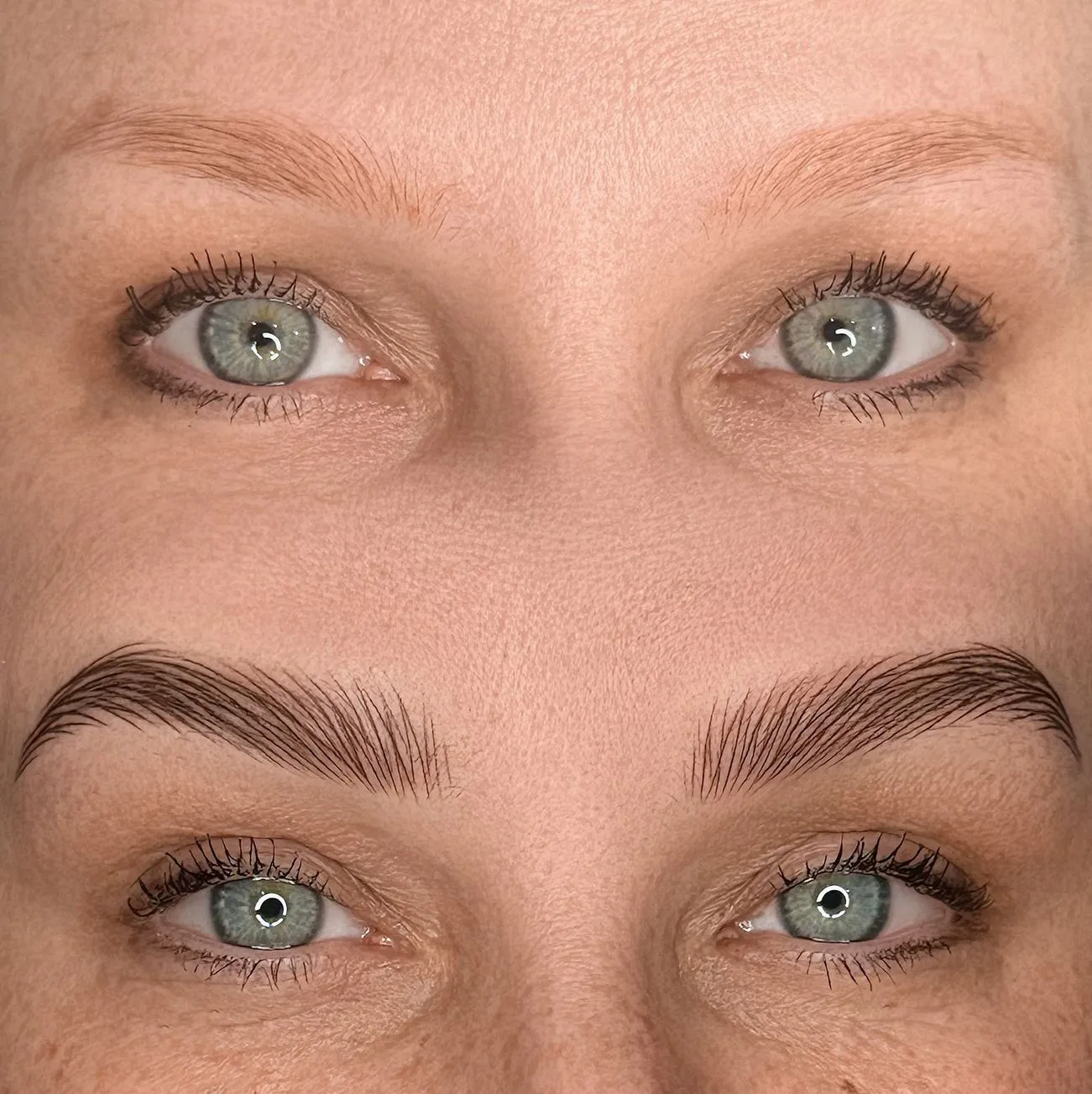
Let’s be real — if you’ve ever looked in the mirror and thought, “Why can’t my brows just look like this all the time?”, you’re not alone. That’s where most of my clients start before asking the big question: How many sessions are needed for nano brows?
Here in Melbourne at Cosmetic Tattoo Melbourne Studio Face Figurati, I’ve helped hundreds of clients fall in love with their brows again through this super-precise cosmetic procedure. But despite what some salons might say, nano brows aren’t a one-and-done treatment. To get that natural, hair-stroke finish that lasts — especially for those wanting ultra-fine, hair-like strokes — it usually takes more than one visit. Knowing what to expect makes all the difference.
Healing Time, Sessions, and Long-Term Results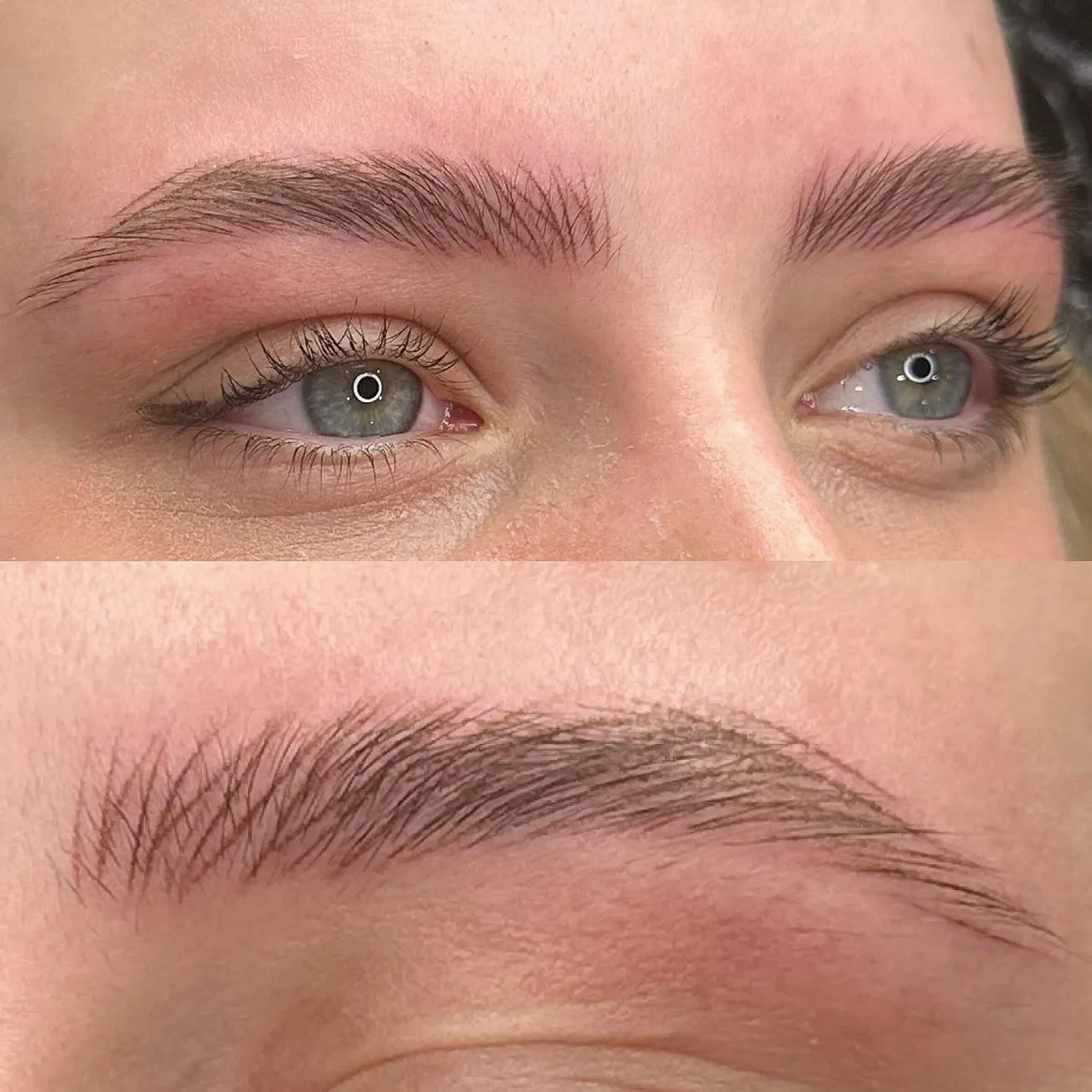
Your skin heals in layers — and each pass builds better retention. After your initial procedure, the pigmented ink will settle and heal under your skin. But no matter how perfect the work is, your body will metabolise some of the pigment during the healing process. That’s where a touch-up session comes in: it lets me refine the shape, even out any patchiness, and layer pigment for longer wear.
Nano brows develop best when your skin is given time to regenerate and when we’re able to layer pigment over healed strokes. Think of it like painting a house. One coat looks nice. Two coats? That’s when it looks solid, smooth and built to last.
The Typical Session Timeline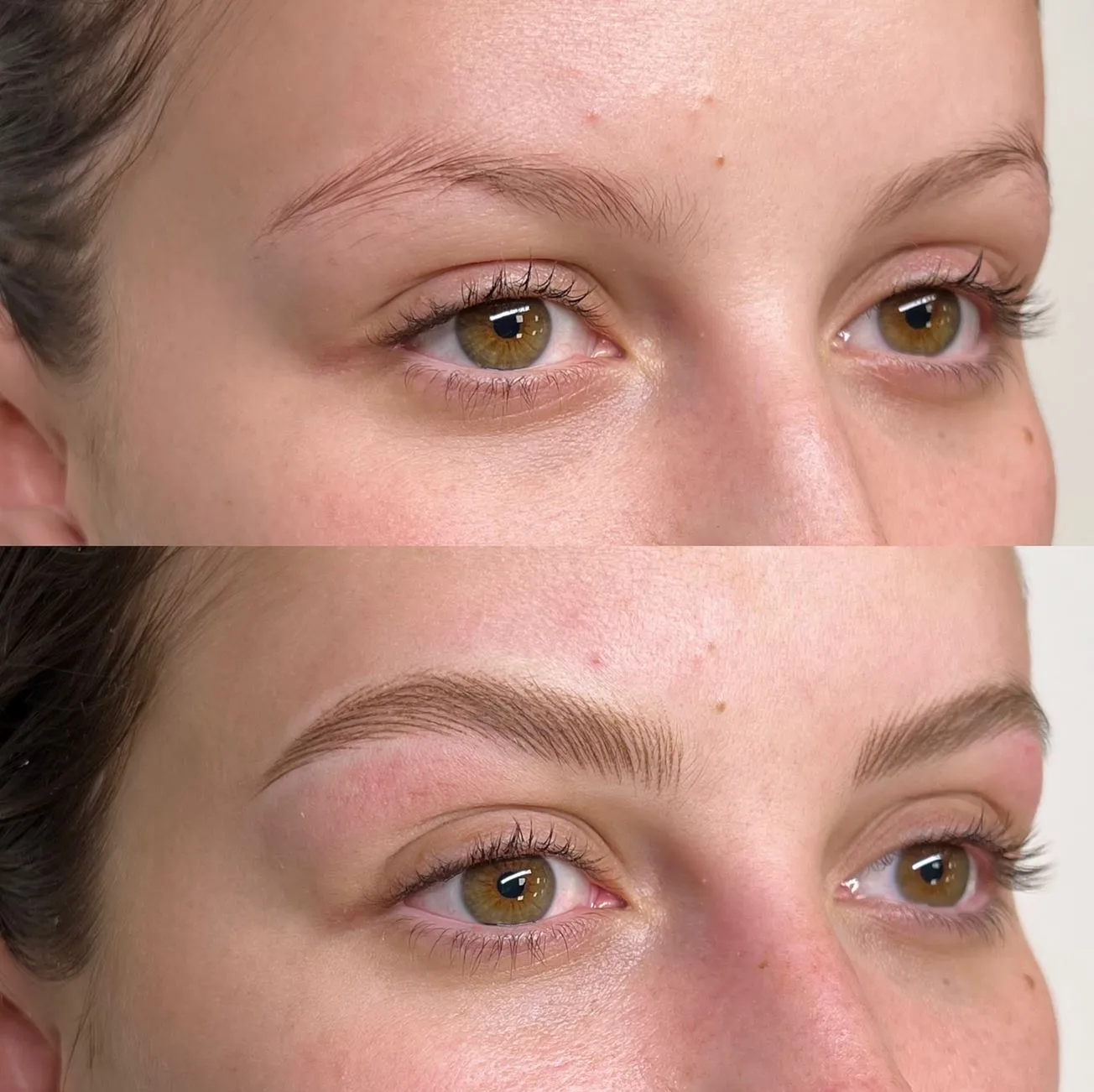
Here’s what you can expect from start to finish at Cosmetic Tattoo Melbourne Studio Face Figurati
| Session | Timeframe | What Happens |
|---|---|---|
| Consultation | Day 0 (initial booking) | We discuss your brow goals, your skin type, allergies, and map your facial features |
| Initial Session | Week 1 | Full nano brow tattooing (approx. 2.5 hrs) using a specialised tattoo machine |
| Healing Phase | Weeks 1–4 | Light scabbing, pigment fade, and the healing period begin |
| Touch-Up Session | Week 6–8 | Pigment boost, gap-filling, adjustments (1.5–2 hrs) |
| Optional Perfection | Week 12–16 (if needed) | Some clients opt for a final tweak depending on their skin types |
Why Your Skin Matters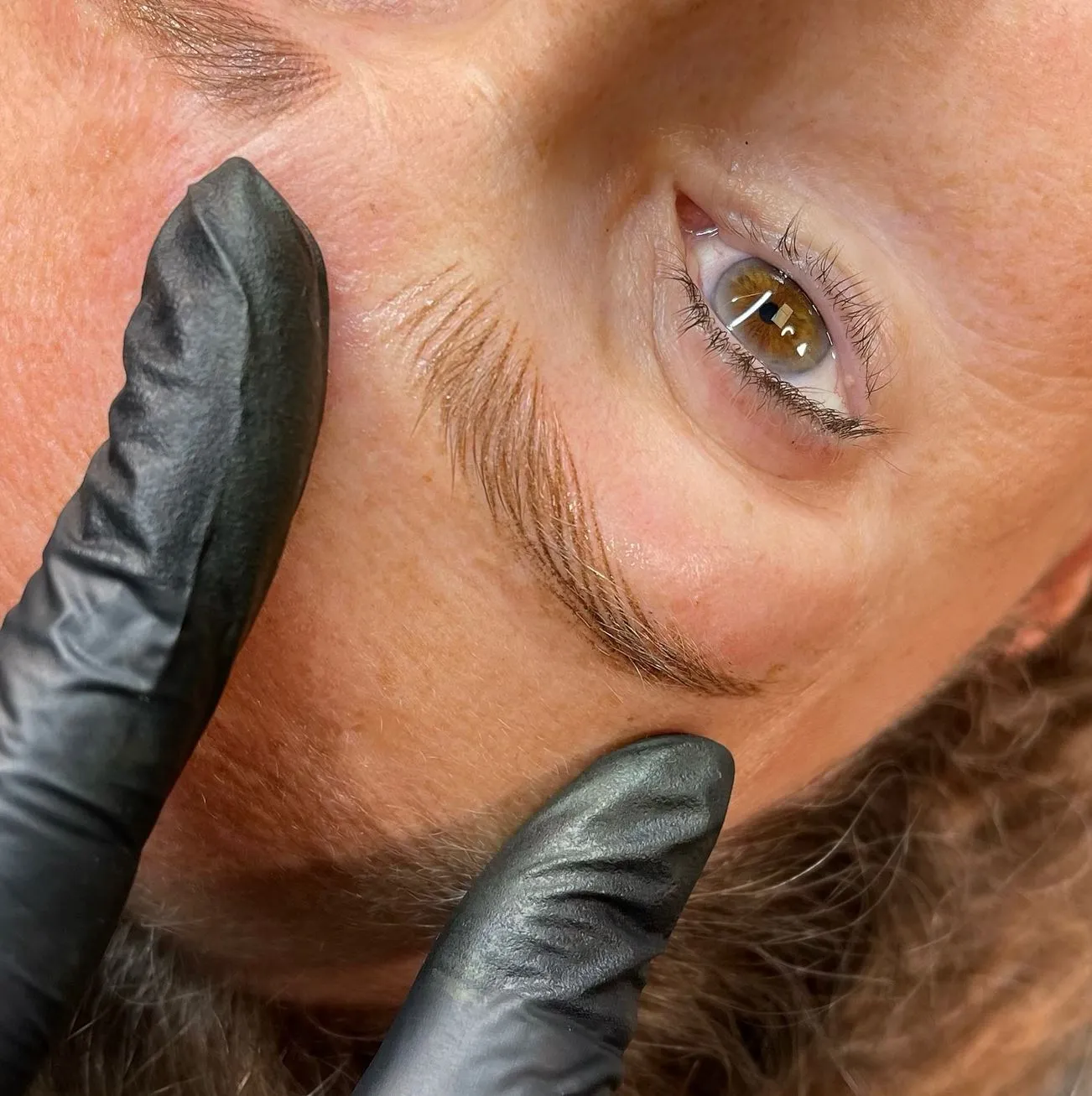
Your skin type, lifestyle and aftercare routine play a bigger role than you think. Oily or sensitive skin types, for example, tend to push pigment out more during healing. That means some clients may need an extra tweak beyond the standard 2 sessions. Others who exercise daily, scalp scale, or live in humid areas (hello, Melbourne summers!) may fade faster even with great aftercare instructions.
Sun exposure, certain skincare products (like those with salicylic acids), and disrupted blood flow can also affect pigment retention in the treatment area. That’s why we tailor post-care ointment advice and healing ointment use for each client.
At Cosmetic Tattoo Melbourne Studio Face Figurati, I assess pigment retention during your touch-up appointment and give you honest feedback. If your skin held up beautifully? Great, no need for more. If it faded more than expected? I’ll explain why and map out a plan.
The Truth About Touch-Ups
They’re not a correction — they’re part of the process. Some clients worry that needing a touch-up means their brows “didn’t take”. That’s simply not true. In fact over 95% of nano brow clients in 2025 required at least one perfecting session. It’s completely normal, expected and built into the process.
This is especially true for anyone with:
- Previously tattooed brows (including powder brows or hybrid brow corrections)
- Mature skin
- Skin prone to inflammation or slow healing
- Rosacea, eczema or psoriasis in the treatment area
I Won’t Rush the Healing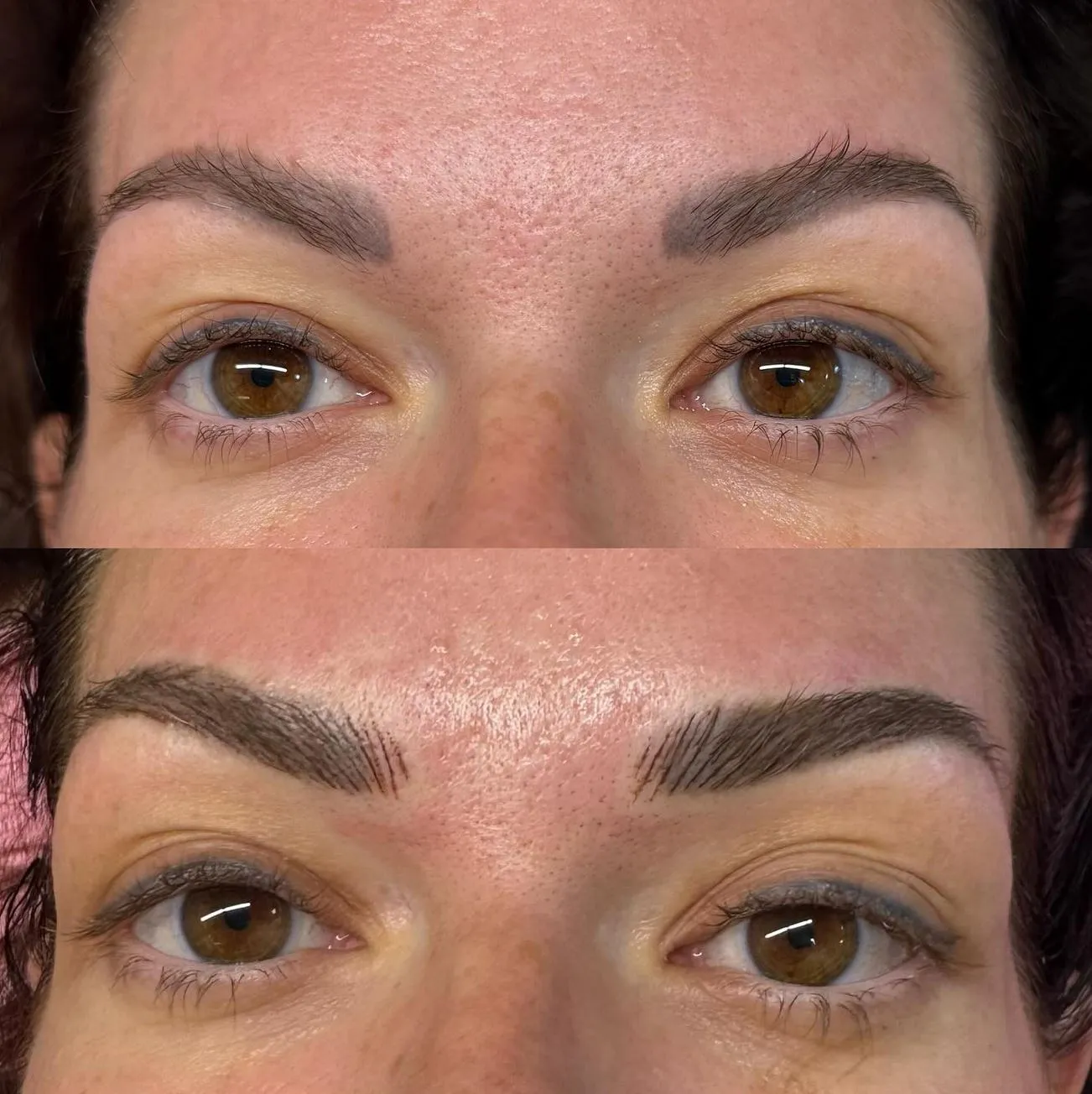
Rushing your touch-up isn’t the answer. Some salons promise a touch-up in 2-3 weeks. I won’t do that. Your skin needs time to fully regenerate before we go back in. Touching up too early risks trauma, pigment rejection or blurred strokes. At Cosmetic Tattoo Melbourne Studio Face Figurati I recommend waiting a full 6-8 weeks after your initial procedure before your refinement session.
Nano brows take time — but when you let the healing process unfold properly the results speak for themselves.
2025 Stats: What Real Clients Are Doing
According to industry reports and Cosmetic Tattoo Melbourne Studio Face Figurati client logs:
- 93% of nano brow clients required two sessions
- 21% of clients with very oily or damaged skin required three sessions
- 100% happy after touch-up
- 82% didn’t realise how much they needed the second session
In other words? It’s not a maybe — it’s a must.
My Final Thoughts as a Cosmetic Tattoo Artist
So how many sessions are needed for nano brows? Well, the answer is: at least two. It’s not a flaw in the technique — it’s how you get quality, long-lasting results.
At Cosmetic Tattoo Melbourne Studio Face Figurati, I focus on results that blend with your natural features, last beyond a few months and make you feel confident without the daily brow drama. Plus we have flexible payment plans to make the whole process as stress-free as possible.
So if you’re ready to stop guessing and start glowing, book your nano brow consult today — I’m Olha Po and I’m here to help.
FAQ
Can I skip the touch-up if my brows look good after session one?
You can, but I don’t recommend it. Even if the shape looks great, the pigment will fade faster or unevenly. A second session secures the longevity of your results and the natural appearance of your hair strokes.
Does the second session hurt more?
Not at all. Most clients say it’s easier because the skin is already familiar with the process and less work is needed. We also reapply a topical anesthetic to keep you comfortable.
Will I need annual touch-ups?
Yes — nano brows are semi-permanent. Most clients book yearly refreshers to maintain colour depth and crispness.
What happens if I miss my touch-up window?
No stress, but you might need a longer session or pay a small re-mapping fee if the shape has faded too much.
Can I get nano brows if I’ve had bad microblading before?
Yes — but it may take 3 sessions to colour correct and rebuild natural strokes. I’ll give you an honest assessment at your consultation. In some cases laser treatments may be required first.