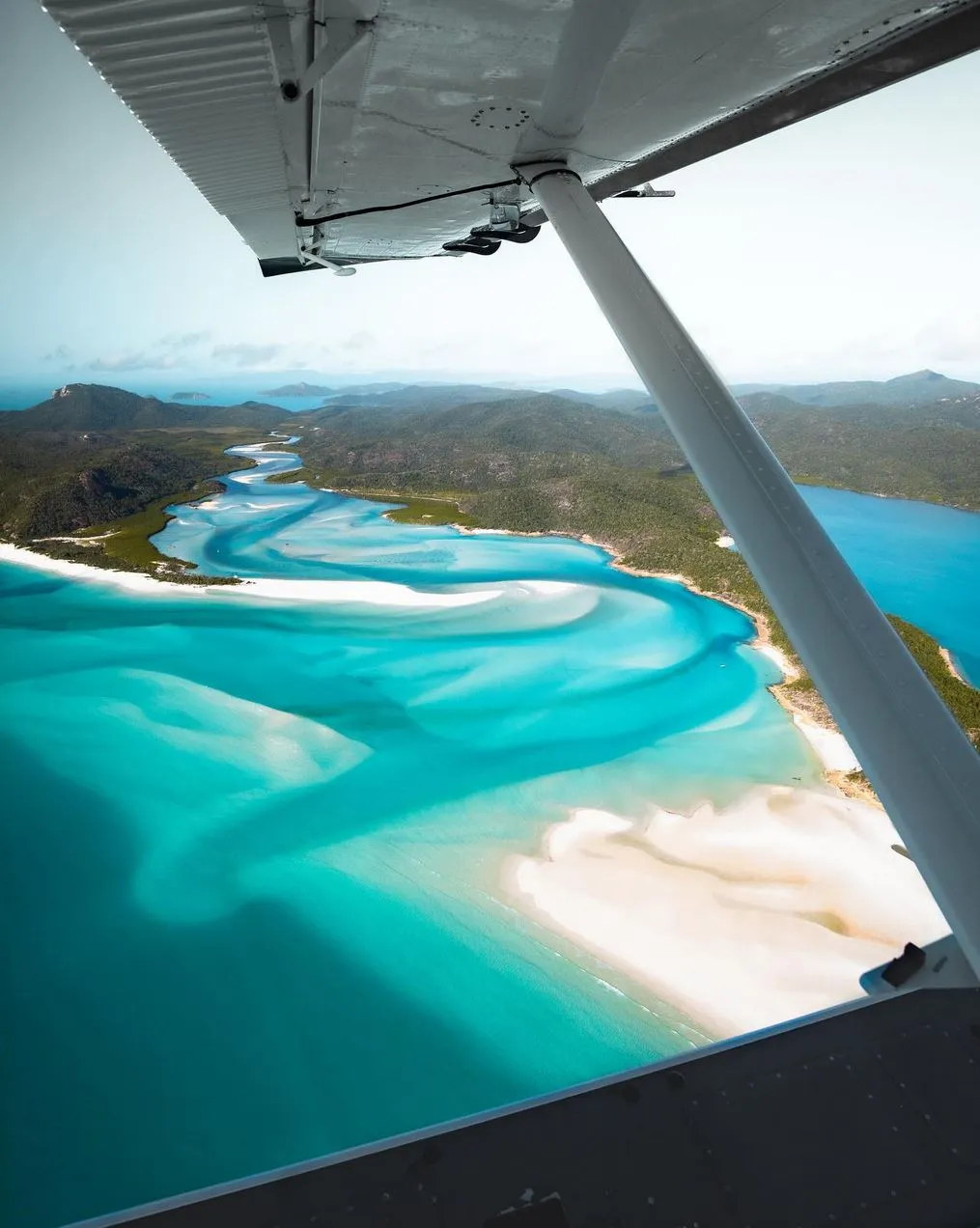
Most travellers don’t realise that What Is The Largest Island On The Great Barrier Reef? has a surprisingly straightforward answer once you dig past the coral reefs, coral cays, and glossy photos of resort islands. Whitsunday Island, sitting inside the Great Barrier Reef Marine Park, is the most immense expanse of land in this entire UNESCO World Heritage–listed region managed by the Great Barrier Reef Marine Park Authority. The first time I cruised in from the Coral Sea, past fringing reefs and tidal inlets, it felt like stepping into a different world — raw, ancient, and shaped by forces far older than any of us.
This place isn’t just beaches and snorkel trips. It’s Sea Country cared for by Traditional Owners, shaped by Ice Ages, rising seas, and geological events that carved today’s reef platforms and island chains. The scale of Whitsunday Island hits differently the moment your boat glides past Hill Inlet’s shifting sand patterns.
The Island That Outsizes Them All
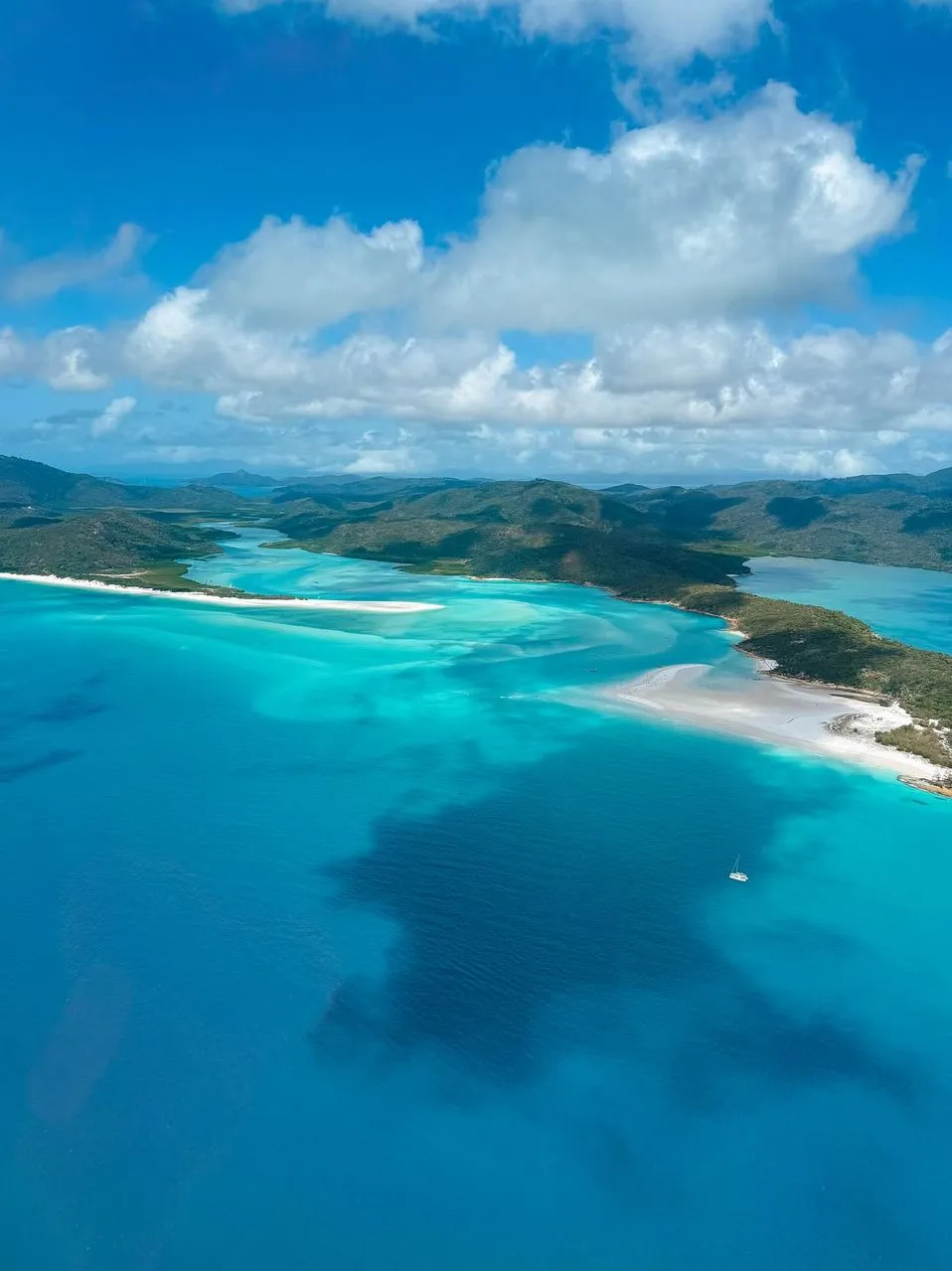
Whitsunday Island takes the crown as the most significant island within the Great Barrier Reef Marine Park, and its sheer size shapes how people explore it today. At 275.1 km², it dwarfs famous neighbours like Orpheus Island, Hinchinbrook Island, Bedarra Island, Green Island, Daydream Island, Lady Musgrave Island, Lady Elliot Island, and the tiny but loved Frankland Islands. Plenty of travellers on our Great Barrier Reef Tours assume one of those names must be the biggest, but Whitsunday Island stands well above them all.
Because it’s a continental island, not a coral cay, it’s built from granite, rainforest pockets, and ancient ridgelines rather than pure coral growth. That shift in geology changes everything, from the walking tracks to the diversity of marine life offshore, where hard and soft corals, and species like reef sharks and marine turtles, rely on surrounding fringing reefs.
Fast Facts About Whitsunday Island
| Feature | Detail |
| Total Area | 275.1 km² |
| Highest Point | 374 m (Peak 1) |
| Location | Whitsunday Group, Central Coral Sea |
| Traditional Owners | Ngaro People & Neighbouring Groups Including Guugu Yimithirr & Guru-Gulu Gungganji |
| Managed By | Great Barrier Reef Marine Park Authority; QPWS |
| Island Type | Continental |
Marine biologist teams — from community programs to groups like Reef Biosearch and Tourism and Events Queensland field partners — frequently monitor the reef health in this part of the marine park. Everything from water quality and marine debris to climate change impacts and outbreaks of Crown-of-Thorns Starfish (COTS), or Drupella snails, is tracked as part of ongoing conservation.
Why Continental Islands Make Travel Different Up Here
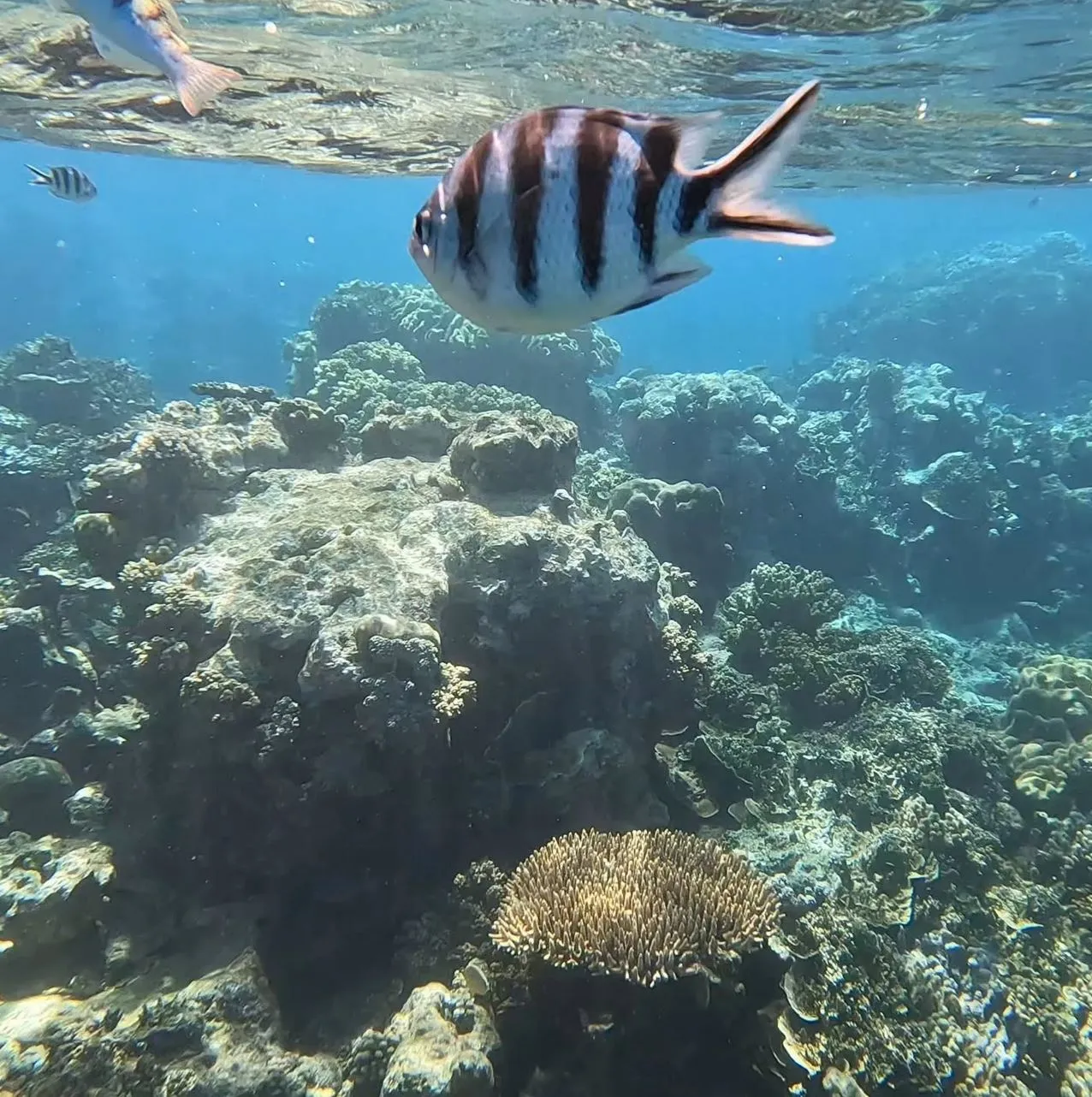
Continental islands behave differently from coral cays, and that changes how you travel. Coral cays like Lady Musgrave Island, North West Island, and Lady Elliot Island sit low and flat, built entirely by coral growth, wave action, and sand accumulation. Whitsunday Island? It’s a chunk of ancient mainland carved off by rising seas — steep, forested, full of rock shelves and gullies shaped long before radiocarbon dating ever told us their age.
When I first wandered up one of the ridges in the dry season, I realised quickly that this is not “flip-flops and casual stroll” terrain. Granite holds heat like nobody’s business, and even locals who know the tracks well carry water like it’s liquid gold.
Here’s what continental terrain means for your trip:
- More varied ecosystems — tropical rainforests in gullies, dry eucalypt above, and fringing reefs hugging the coast.
- Higher vantage points — perfect for reading the tides and checking navigational charts as Hill Inlet shifts below you.
- Greater wildlife diversity — goannas, forest birds, green ants, reef fish, marine turtles, and healthy coral reef ecosystem zones.
- Protected coves — ideal for paddlers, glass-bottom boat tours, or snorkel groups like the Quicksilver Group and scientific teams from the Australian Museum.
Whitehaven Beach: The Island’s Most Famous Strip Of Sand
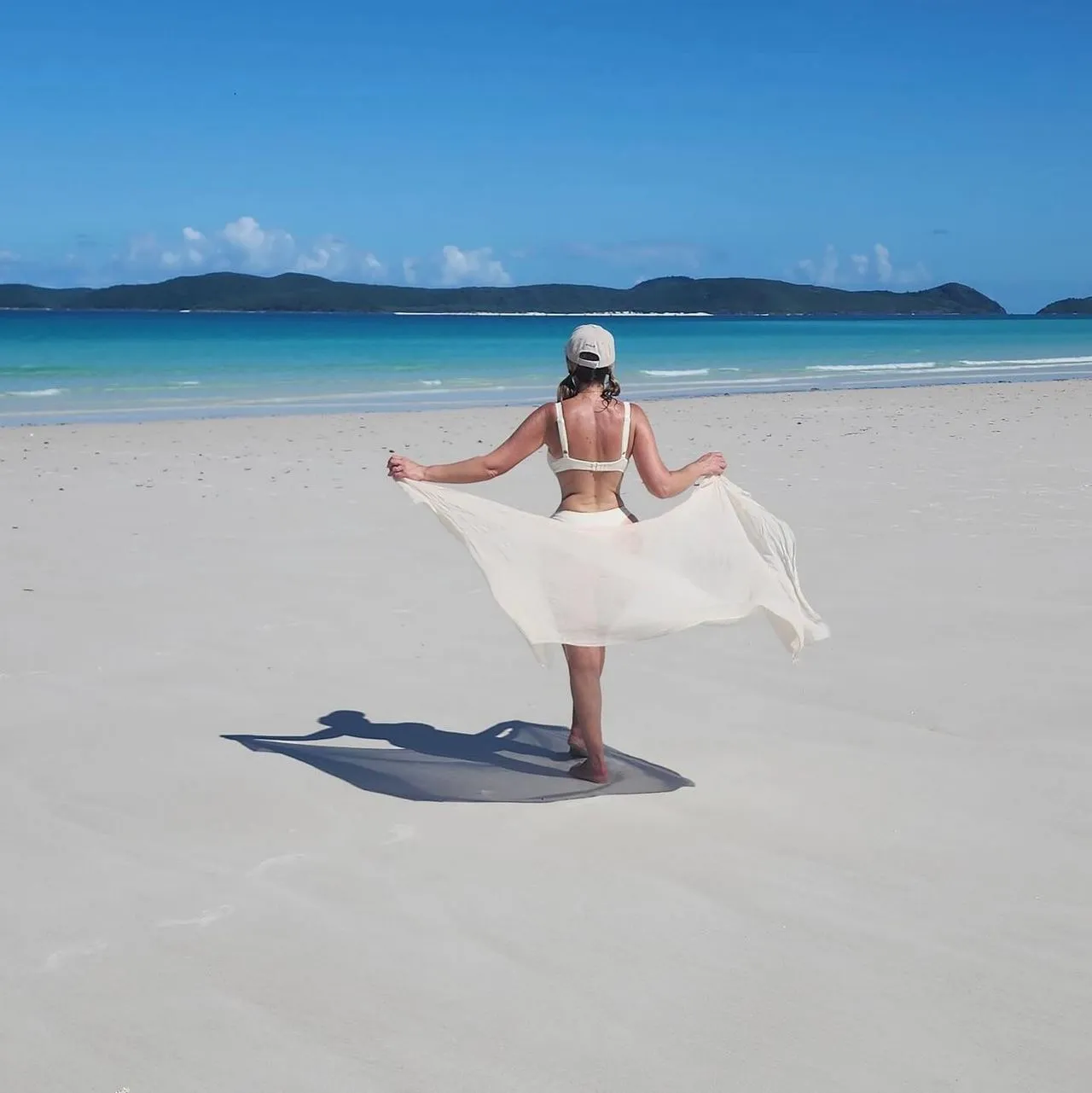
Whitehaven Beach looks simple in photos, but stand on it during the right tide, and you’ll watch thousands of tonnes of bright silica swirl through Hill Inlet like marbled paint. The Reef Biosearch team, including long-time educators like Dr Glen Burns, have spent decades explaining how the currents and reef platforms carry sand in patterns unique to the Whitsunday Islands.
Whitehaven’s surrounding waters support soft corals, pockets of Pocillopora species like Pocillopora meandrina, and a smattering of juvenile marine turtles cruising in with the tide. Climate change threatens this delicate balance, but ongoing reef monitoring and the COTS Eradication Program help keep the pressures in check.
You’ll want to time your visit with the tides — the colours shift dramatically between low and high water. And yes, the sand really does squeak under your feet.
How To Get Your Head Around The Scale Of The Place
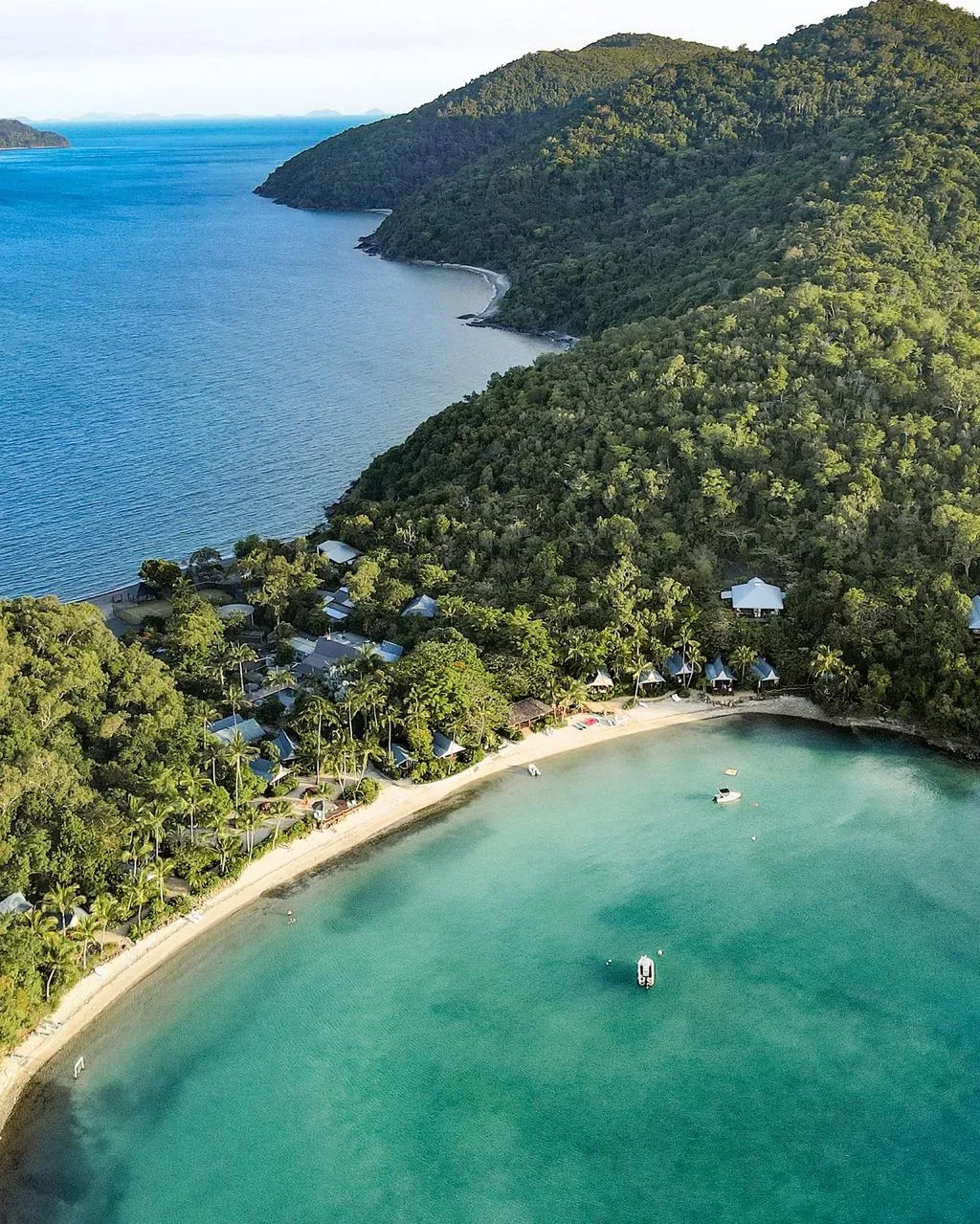
Whitsunday Island feels enormous because it is enormous. Compared with tiny coral cays and mid-sized resort islands like Orpheus Island Resort, Bedarra Island Resort, Palm Bay Resort, Camp Island Lodge, and Elysian Retreat, this island is proper bush country wrapped in reef.
Island Size Comparison Table
Here’s how the island stacks up against others in the region:
| Island | Land Area | Island Type | Notable Feature |
|---|---|---|---|
| Whitsunday Island | 275.1 km² | Continental | Largest in the Great Barrier Reef Marine Park |
| Hook Island | 58 km² | Continental | Deep Bays & Fringing Reefs |
| Hinchinbrook Island | 245 km² | Continental | Mangroves & Tropical Rainforests |
| Daydream Island | 1 km² | Continental | Underwater Observatory |
| Lady Musgrave Island | 0.14 km² | Coral Cay | Coral Lagoon & Reef Platforms |
| Lady Elliot Island | 0.45 km² | Coral Cay | Manta Rays & Marine Life Diversity |
This is why Whitsunday Island has such an untamed feel — it’s too big to domesticate, too rugged to manicure, and too important to the reef ecosystem to treat lightly.
Travelling With Respect For Ngaro Country
Whitsunday Island stands within Ngaro Sea Country, shared through cultural connections with neighbouring groups such as the Guugu Yimithirr and Guru-Gulu Gungganji peoples. These islands hold stories older than every resort, boat, and campsite here — stories shaped by reef growth, fluctuating sea levels, and traditional navigation routes long before Europe knew the Coral Sea existed.
If an area is signed as culturally sensitive or closed for restoration, treat it like you would a neighbour’s home — respectfully and without argument. The country is not a theme park. It’s lived in, protected, and deeply connected to identity.
How To Explore The Island Without Cooking Yourself
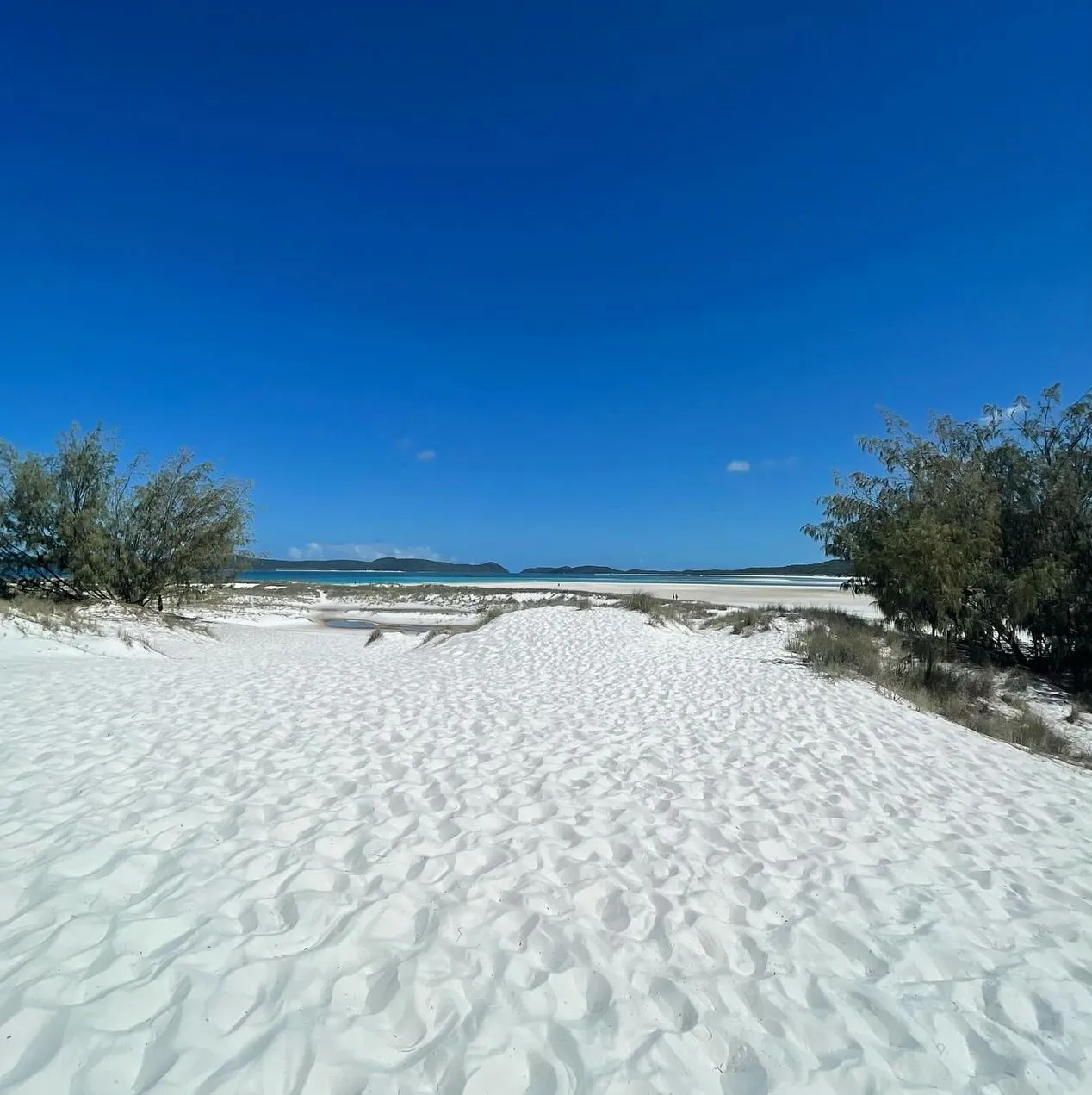
The tropics don’t muck around, especially where climate change amplifies heat, humidity, and storm patterns. The Capricorn Coast to the south and the Whitsundays here share similar seasonal swings — blistering wet seasons, cooler dry seasons, and the odd cyclone that can send itineraries sideways.
Best Seasons
- Dry Season (May–October): Clearer water, cooler air, better for snorkelling the fringing reefs.
- Wet Season (Nov–April): Stinger suits required; storms and runoff can reduce water quality.
Gear Checklist
- 2–3 litres of water
- Stinger suit (summer)
- Reef-safe sunscreen
- Hat & long sleeves
- Snorkel gear
- Dry bag
- Rubbish bag — keep marine debris out of Sea Country
Access Tips
- Reach it via Whitsunday Islands tours from Airlie Beach
- Charter boats supported by marine biologist briefings
- Camping is allowed with a QPWS permit
- Glass-bottom boat tours from neighbouring islands
- Nearby luxury stays include Elysian Retreat, Orpheus Island Resort, Bedarra Island Resort, Palm Bay Resort, and Camp Island Lodge
FAQ
Is Whitsunday Island truly part of the reef system?
Yes — it sits inside the Great Barrier Reef Marine Park, protected under the Great Barrier Reef Marine Park Act and managed by the Great Barrier Reef Marine Park Authority.
Why aren’t the famous coral cays counted as the largest?
Because coral cays like Lady Musgrave Island, Lady Elliot Island, and North West Island are tiny by comparison — built from coral reefs, not ancient mainland.
Can you stay overnight on Whitsunday Island?
Only by camping. No resorts, no powered sites, just bush, reef, and quiet nights.
Is marine life good around Whitsunday Island?
Absolutely. The surrounding fringing reefs support healthy coral reef ecosystems filled with hard corals, soft corals, marine turtles, reef fish, and occasional manta rays drifting in from the Coral Sea.
How is the island monitored or protected?
Through programs supported by QPWS, reef scientists, Reef Biosearch, the Australian Museum, and the Great Barrier Reef Marine Park Authority — all watching for impacts from climate change, water quality shifts, marine debris, and outbreaks of COTS or Drupella snails.