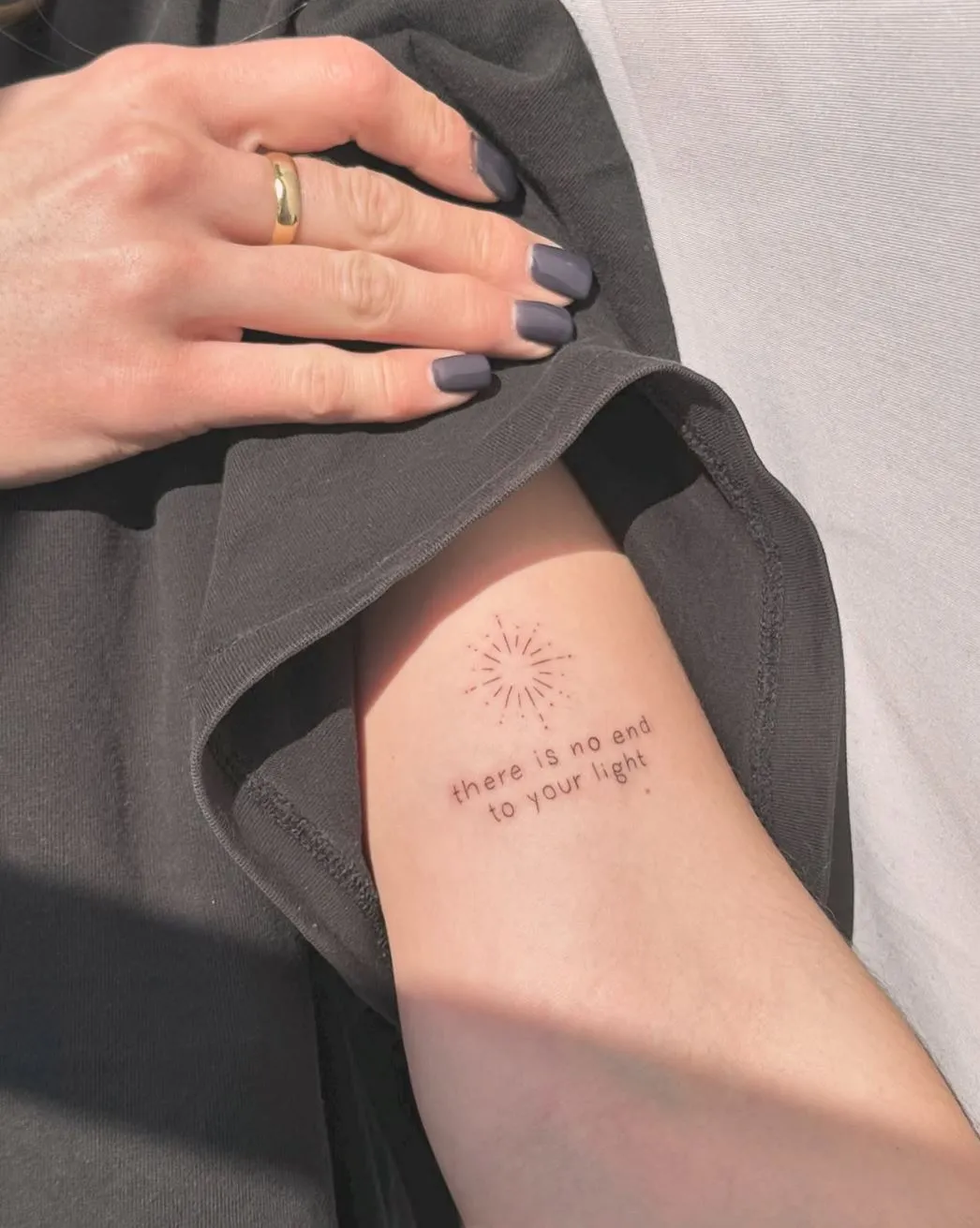
A fine line tattoo might look simple on the surface, but it demands more control, precision, and skin awareness than most bold-line pieces ever will.
Whether you’re a PMU artist branching into minimalist tattoos or a tattoo apprentice trying to figure out liner configurations, your needle choice can make or break your result.
And here’s the honest truth: not all fine line tattoos are created equal. I’ve seen intricate designs turn into blurry blowouts thanks to the wrong type of needle — or the wrong tattoo machine setup. So, before you grab that 1RL and fire up your rotary pen, let’s talk needle sizes, needle groupings, and what actually works for clean, crisp lines.
At Cosmetic Tattoo Melbourne Studio Face Figurati, we specialise in fine line tattoo work that respects the skin, holds its shape, and heals beautifully, especially on delicate areas like the face, neck, and hands.
Why Tattoo Needle Choice Matters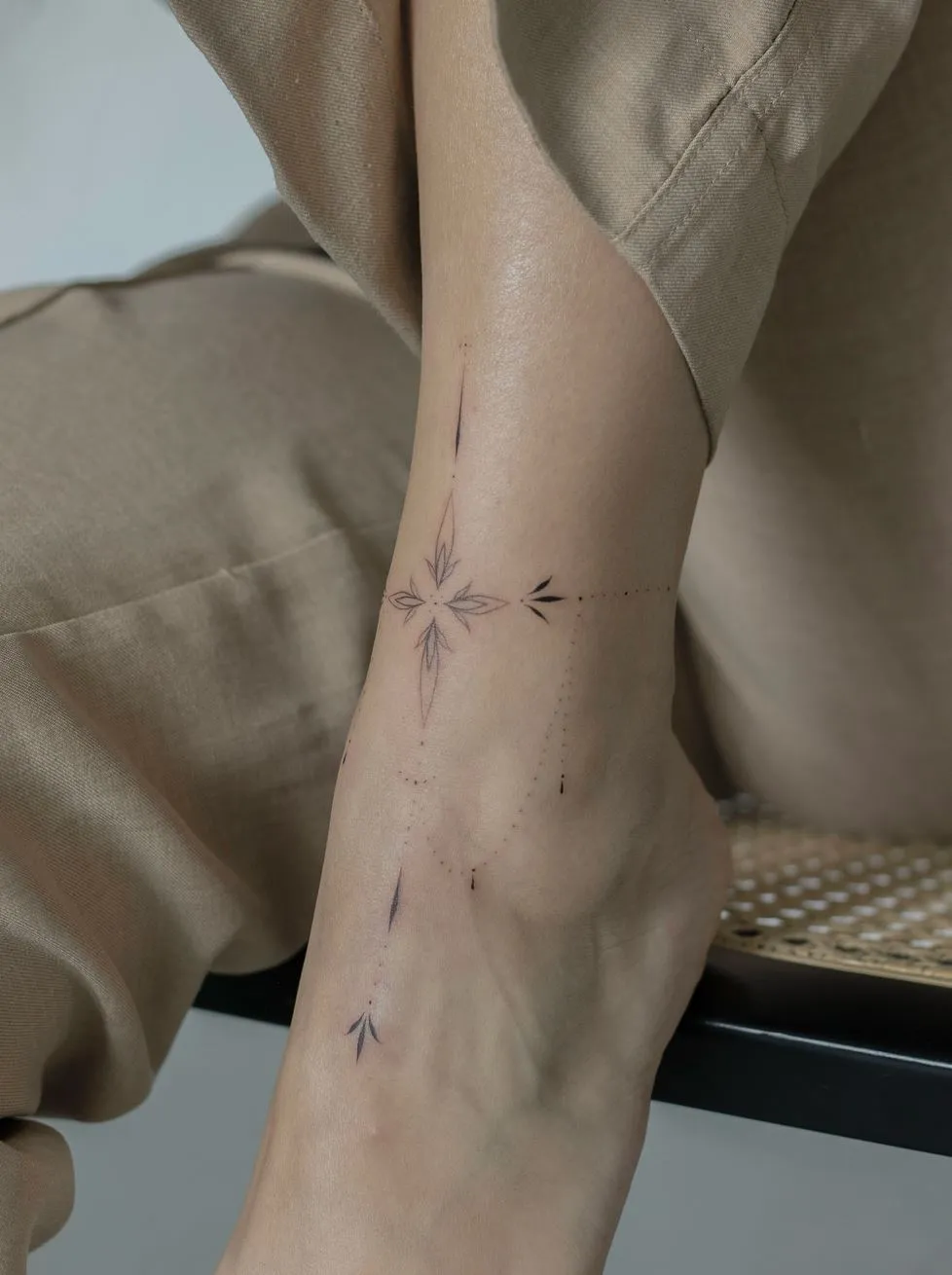
Fine line tattoos are all about delicate details, precise lines, and finer ink flow. This is not the time for your bold lines or thick magnum shader needles.
But with so many types of tattoo needles on the market — from flat shaders to curved magnums, textured needles, capillary cartridges, and everything in between — where do you even start?
The wrong needle can lead to:
- Blowouts (aka ink spreading under the skin)
- Overworked skin and larger punctures
- Patchy or inconsistent lines
- Uneven healing, especially on dainty areas
As an experienced tattoo artist in Melbourne, here’s what I always tell new artists: the right needle configuration is your foundation, not just for clean lines, but for safe, efficient, and repeatable results.
Types of Needles Used in Fine Line Tattoos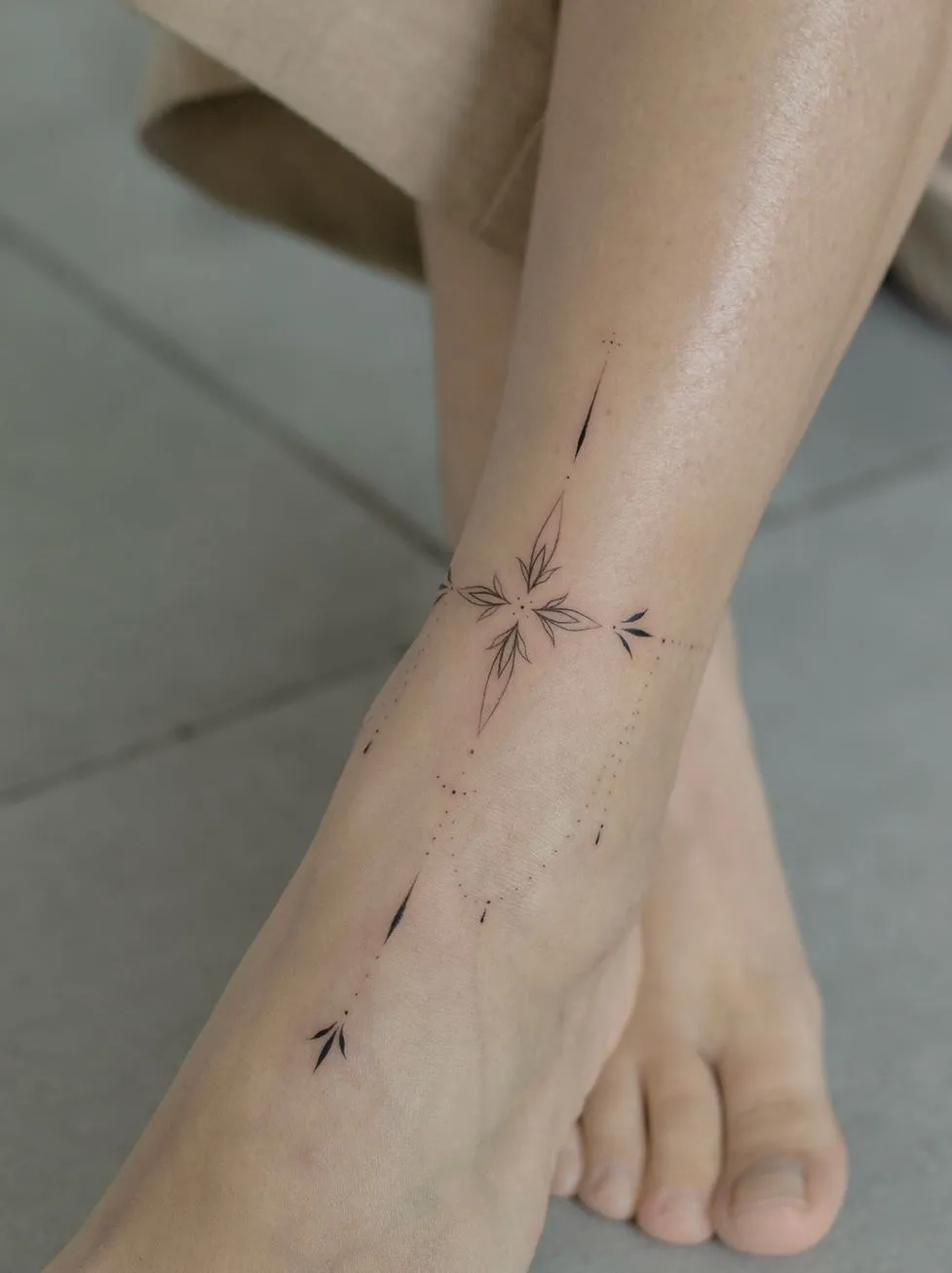
Let’s break it down in plain English — no jargon, just clarity.
| Needle Type | Best For | What It Looks Like |
|---|---|---|
| Single Needle (1RL) | Micro tattoos, single-line pieces | One fine pin in a circular formation |
| 3RL (Round Liner) | Clean lines, slightly thicker designs | 3 pins grouped in a tight circular needle cluster |
| Bugpin Needles | Softer shading, delicate lines | Finer diameter (e.g. 0.20mm instead of 0.35mm) |
| Flat Needles | Flat lines, basic shading | Pins in a straight row — good for straight edges |
| Flat Shader Needles | Flat colour fill, colour packing | Wider flat needles for colour realism or soft shading |
| Magnum Shader Needles | Larger soft shading, colour blending | Pins stacked like a brush — great for gradients |
| Curved Magnums (CM) | Blended edges, smoother gradients | Tapered curve formation for more controlled shading |
Pro tip: When in doubt, go for 1–3 round liner needles with shorter tapers and built-in safety membranes. They offer smoother ink saturation, reduce cross-contamination risks, and are gentle on human skin — especially for micro tattoos.
Popular Fine Line Needle Types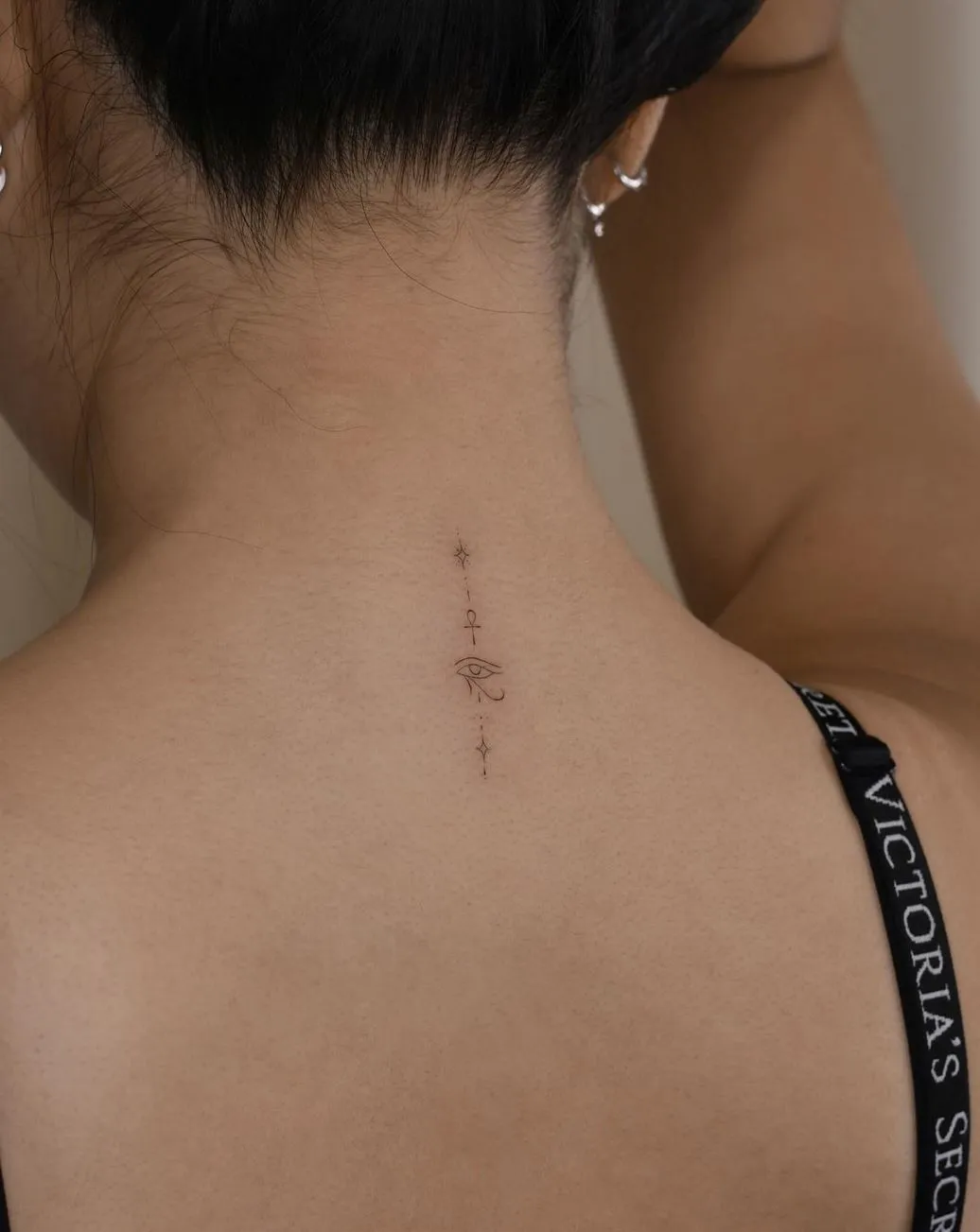
- Single-needle tattoos: Ideal for ultra-fine script, minimalistic designs, and abstract outlines.
- 2–3RL needles: Better control, consistent lines, still precise — popular choice for wrist and finger tattoos.
- Bugpins: These narrower needle gauges (often 0.20mm or 0.25mm) offer a finer ink flow for skin types prone to trauma.
- Flat shaders or curved magnums: Only used for certain cosmetic tattooing procedures, soft shading, or colour filling.
What About Taper Length and Ink Flow?
The taper affects how ink flows from the needle bar into the skin.
| Taper Type | Ink Flow Effect | Use Case |
|---|---|---|
| Short Taper | More ink, quicker saturation | Thicker lines, faster work |
| Super Long Taper | Slower, more controlled flow | Fine line, subtle work, detailed designs |
| Polished Tapers | Smooth ink flow, less skin trauma | Professional tattoo artist precision |
| Textured Needles | Hold more ink | Not ideal for dainty or soft skin |
For delicate shading or blended edges, a curved mag with a super long taper gives the most consistent flow without damaging the skin.
Matching Needle to Tattoo Style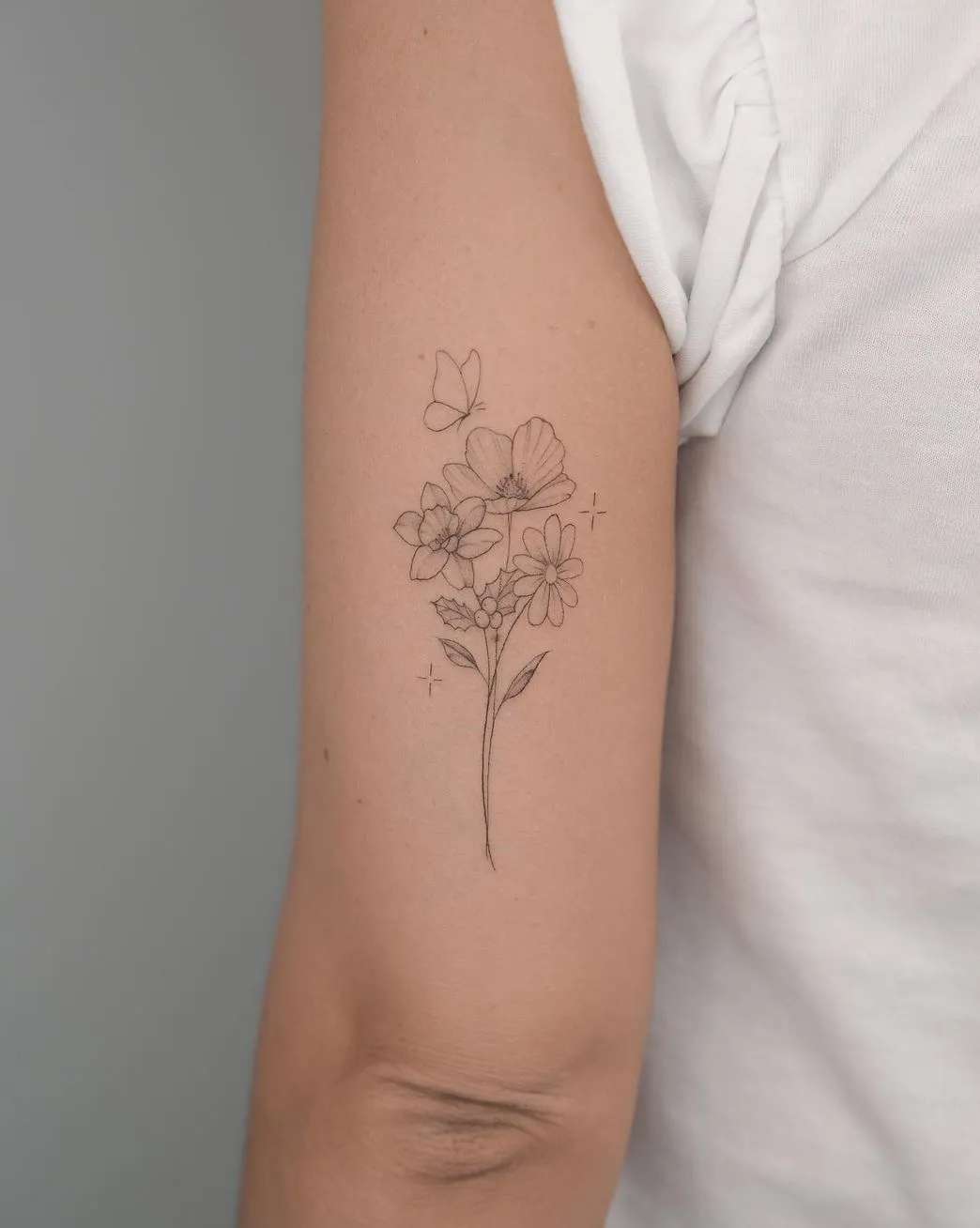
Choosing the right type of tattoo needle depends on the tattoo style and the location on the body. Here’s how I approach it in the studio:
- Wrist or Finger Scripts: 1RL Bugpin or 3RL — Ideal for dainty, single-line phrases or subtle symbols. Avoid pushing too deep — the ink flow will do the work.
- Intricate Shading on the Face or Neck: Flat shaders or 3RS — Soft-edge magnums for feathered cosmetic finishes. Always use needle cartridges with safety membranes.
- Colour Packing for Minimalist Colour Tattoos: Flat Colour or Magnum shaders — Watch out for larger punctures with thicker needles. Good ink brands matter more than ever here.
Safety, Hygiene, and Tools of the Trade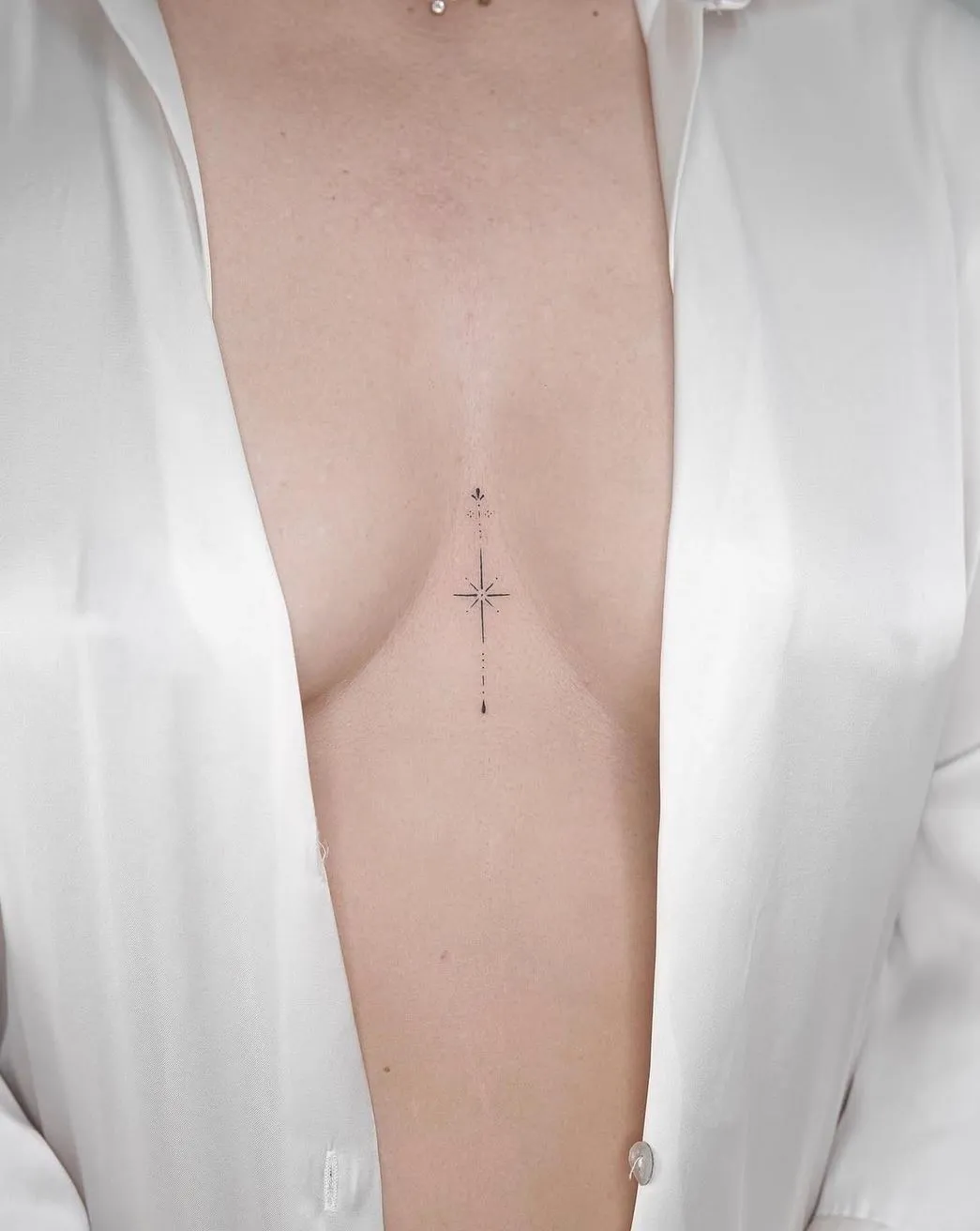
Look — whether you’re using coil machines, rotary machines, or modern pen machines, safety matters more than aesthetics.
Always use:
- Sterile tattoo cartridge needles (from reputable tattoo supply companies)
- Built-in safety membranes or cartridge membranes
- Proper disposal methods for all needle packets and materials
- Gloves, surface wrap, and disinfectant barriers to prevent cross-contamination
And if your studio isn’t using Safety Membranes yet, it’s time to upgrade.
Needle Size Chart for Fine Line Work
| Needle Size | Gauge | Use Case |
|---|---|---|
| 1RL (Single) | 10G/12G | Micro designs, clean lines |
| 3RL | 10G | Slightly bolder script or icons |
| 5RL | 12G | Basic linework with stability |
| 7RS | 12G | Shading, colour realism |
| Curved Mags | 10–12G | Softer shading, smooth gradients |
Double Zeros and ultra-thin textured tattoo needles are also gaining popularity for subtle pieces or abstract designs.
Final Word
You don’t need every needle type under the sun, but you do need the correct needles for your style. Whether you’re creating a blended soft shading piece, a bold colour fill, or the crispest single-line piece, needle groupings, gauge, and flow of ink will shape your result.
And if you’re navigating the tattooing process solo? Don’t. Join a friendly community, book in with a competent tattoo artist, and consult with Skin Design experts who get it.
FAQ
What’s the best needle size for a fine line tattoo?
Most tattoo artists prefer 1RL or 3RL bugpin needles for ultra-fine linework. These offer precision and minimal trauma.
What needle gives the cleanest lines?
A bugpin 3RL or polished taper 1RL will give the cleanest lines when paired with the right tattoo machines and voltage.
Can I use Magnum needles for fine line work?
Generally, no. Magnum tattoo needles and magnum shaders are for soft shading or colour packing, not crisp outlines.
How long should a fine line tattoo session take?
Expect anywhere from 1–4 hours, depending on design complexity. Small, minimalistic designs may only take 45 minutes.
Are single-needle tattoos more likely to fade?
They can, yes — especially if applied too shallow or on high-movement areas like hands. Use correct needles and educate your client on proper aftercare.