
Dirty windows make your home or office look dull and unloved, block natural light and look neglected. Cleaning really dirty windows can seem like a big task but with the right approach, tools and techniques you can turn the grimiest of glass into a sparkling, streak free masterpiece. This guide will walk you through everything you need to know to tackle even the toughest window cleaning jobs.
Clean Windows Matter
Clean windows are more than just a cosmetic improvement. They let in more natural light, improve indoor air quality by removing dust and grime and contribute to the overall cleanliness of your home. Dirty windows harbour allergens, water spots and caked on dirt so regular cleaning is a part of household chores.
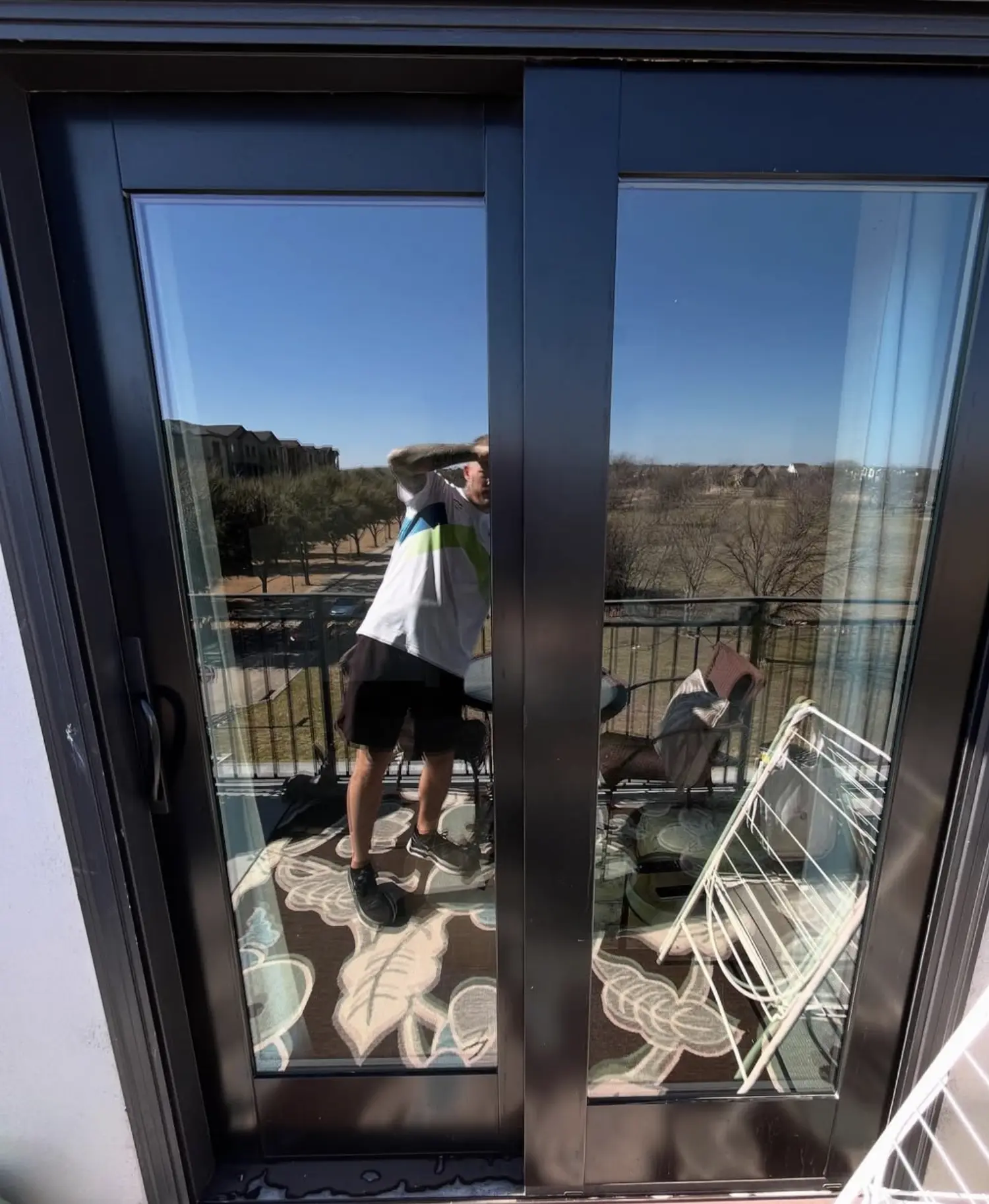
Tools for Window Cleaning
Having the right tools in your cleaning kit makes the job quicker and easier. Here’s what you need:
- Warm water, hot water or cool water for the cleaning solution.
- White vinegar (about 75ml) to break down tough stains and water spots.
- A bucket of soapy water (made with a few drops of dish soap).
- Microfiber cloths (5-6 microfiber cloths recommended) for cleaning and drying.
- A clean microfiber cloth or dry cloth for polishing.
- A good squeegee with a rubber blade for streak free windows.
- Paper towels, a lint free cloth or a dry microfiber cloth for touch ups.
- A spray bottle for the cleaning solution.
- A soft brush or cleaning pad for heavy dirt.
- An extension pole for high or hard to reach windows.
- A garden hose or adjustable hose for exterior windows.
Guide to Cleaning Dirty Windows
Step 1: Clear the Window Area
Clear the area around the window so you don’t get any accidental spills. Remove curtains, blinds or other coverings to get to the glass. Lay down towels or plastic sheets to catch any water or cleaning solution that drips.
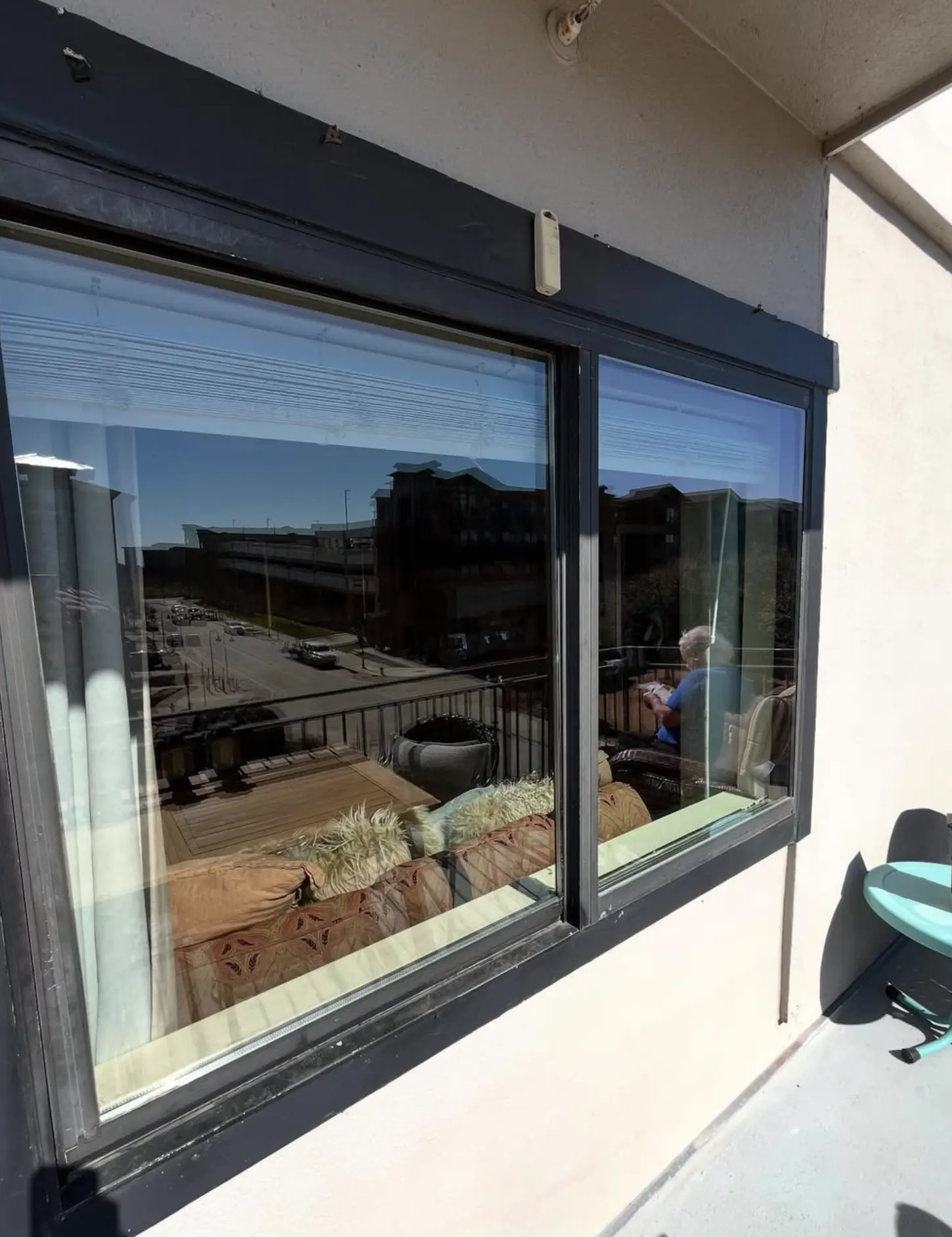
Step 2: Pre-Clean to Remove Loose Dirt
If your windows have a lot of dirt buildup, use a soft brush or soft bristle brush to remove loose debris, cobwebs and dust. For exterior windows, hose them down with a garden hose or bucket of water to get surface dirt off.
Step 3: Make Your Cleaning Solution
Mix 2 cups of water, a few drops of liquid dish soap and 75ml of white vinegar to make a DIY solution. This will break down grime without harsh chemicals. Pour into a plastic spray bottle for easy application.
Step 4: Tackle Tough Stains and Stubborn Dirt
For tough spots like bird poop, bug residue or water spots, use a baking soda solution or a vinegar and water mixture. Let it sit for a few minutes then scrub gently with a cleaning pad or soft cloth.
Step 5: Wash the Window
- Use a damp cloth or sponge with soapy water to clean the whole window.
- Apply the solution in a Z shape to get even coverage and no streaks.
- Use a soft bristle brush or microfiber cloths to scrub any remaining grime.
Step 6: Rinse Well
Rinse with clean water or cool tap water to remove soap. For outdoor windows, a garden hose with an adjustable nozzle is perfect for rinsing.

Step 7: Squeegee
- Use a rubber bladed squeegee to get rid of excess water.
- Start at the top and pull the squeegee down in vertical strokes.
- Wipe the squeegee blade after each pass with a dry microfiber cloth or lint-free towel to prevent streaks.
Step 8: Polish the Glass
Dry the edges and corners with paper towels, lint-free cloth or bamboo cloth. For a super shine, buff with a Casabella Microfiber Glass Cloth or similar product.
Special Techniques
Hard Water Stains
- Use a vinegar and water solution (1:1 ratio) to dissolve mineral deposits.
- Scrub gently with a cleaning pad or soft bristle brush for streak free.

Grease and Sticky Residue
- A few drops of liquid dish soap in warm water will cut through grease.
- Wipe with microfiber cloth or clean cloth for a smooth finish.
Mold and Mildew
- 1 part bleach to 3 parts water. Apply with a sponge.
- Rinse thoroughly with clean water to remove all traces of bleach.
Streak Free Windows Tips
- Clean windows on a cloudy day to avoid streaks from drying too fast in the sun.
- Use microfiber cloths or lint free towels to prevent lint.
- Don’t use ammonia based cleaners or harsh chemicals that can damage the glass.
- For professional level cleaning consider hiring a professional window cleaner or a steam cleaner.
When to Hire Professional Services
Hire if:
- You have exterior windows that are hard to reach or high rise glass panels.
- There’s a lot of heavy staining or dirt.
- You’re having a special event or annual spring cleaning party.
- Your home or office needs Green Cleaning solutions.
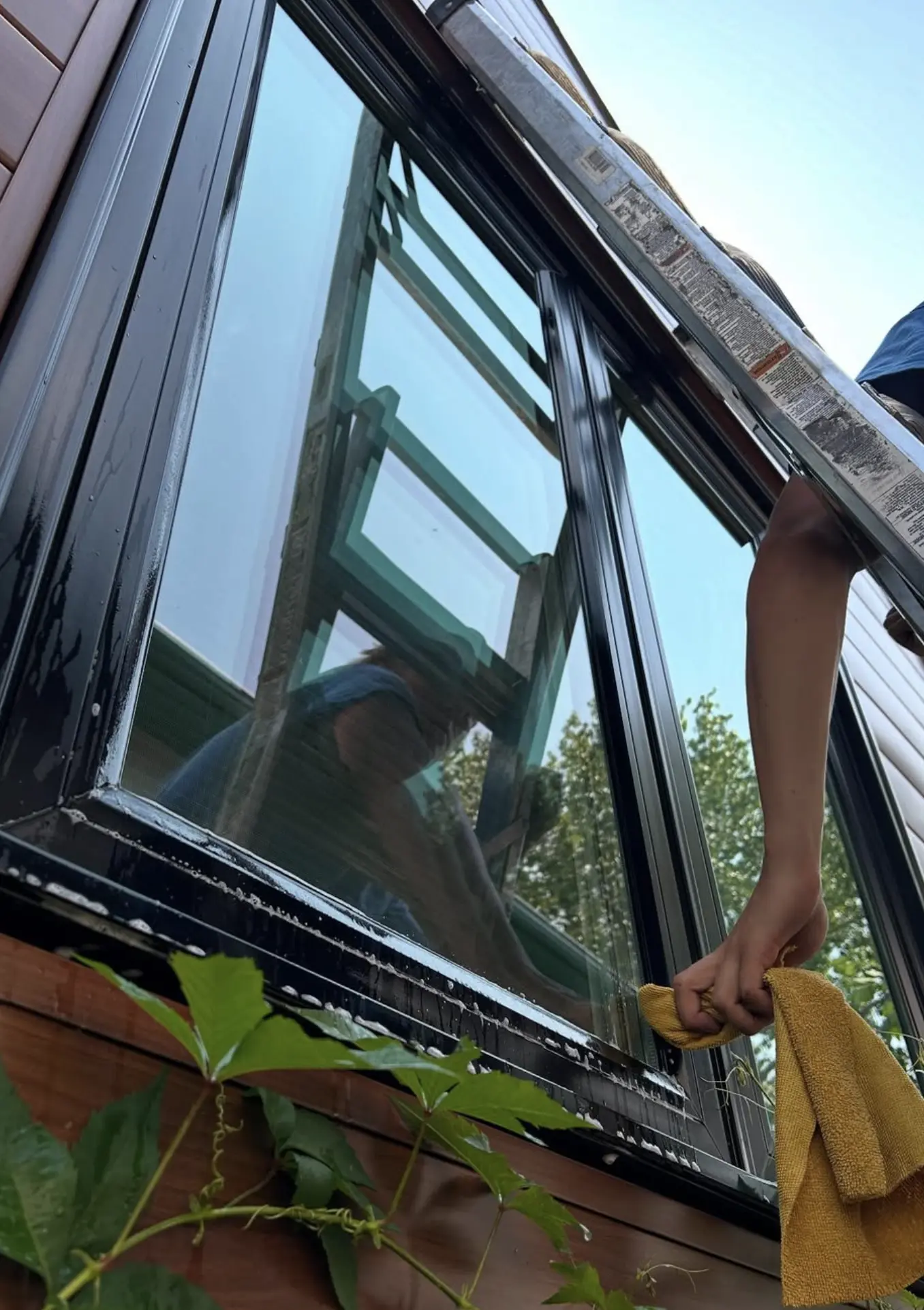
What to Expect
Full Service Cleaning
Professional cleaners will:
- Inspect window surfaces and dirt.
- Use a combination of cleaning methods for your window type.
- Leave a streak free finish with top quality tools like squeegees, microfiber cloths and cleaning pads.
Special Products
Professionals use:
- Ammonia based cleaners for grease and grime.
- Commercial window cleaning solutions for caked on dirt.
- Green cleaning products for clients who want eco friendly products.
Conclusion
Cleaning dirty windows is no easy task but with the right tools, techniques and a bit of elbow grease you can get a streak free shine every time. Whether you’re doing a basic clean or caked on grime, follow these tips and your windows will be spotless and your home will be filled with natural light. Make window cleaning part of your annual spring cleaning party for results that last!
FAQ
Can I use just vinegar?
Yes, vinegar is a great natural cleaner because of its acidity. But often combining it with water and dish soap gives better results.
How do I avoid streaks?
Use a squeegee blade, dry it after each pass and work in a pattern, like a Z shape.
How do I clean high windows?
Extension pole with a squeegee or hire a professional window cleaner is the safest and easiest way.
Can I use paper towels to dry?
Yes, clean paper towels will work but microfiber cloths will get you a streak free finish.
How often should I clean?
Every 3-6 months to keep the shine and prevent dirt buildup.